
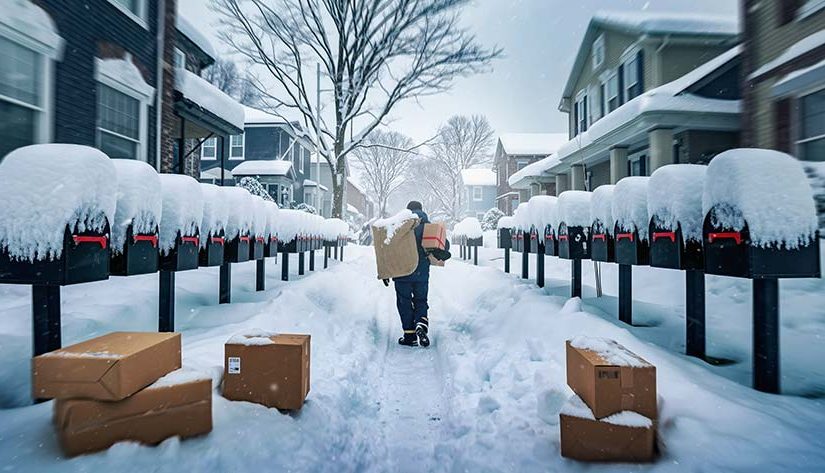
Winter weather can slow down mail, but it doesn’t need to slow down communication. When snow and storms hit, the most important thing customers want to know is simple: What’s happening, and what should we expect? This guide explains what parts of the mailing process businesses truly control during winter delays—and how clarity helps prevent confusion and frustration.
What Winter Weather Impacts—and What It Doesn’t
During severe weather, there’s a clear line between the steps a business controls and the steps that fall to the carriers. Understanding that line makes it easier to communicate realistic timelines.
What Businesses Can Control
Even during winter storms, several parts of the workflow stay fully within your control. You decide when mail is prepared, how accurate it is, and when it’s handed off to the carrier. Print quality stays consistent regardless of the forecast, and you can give customers tracking information so they always know where their mail is in the process.
Many organizations rely on LetterStream’s online mailing tools to keep these steps steady. Because everything is created and managed digitally, businesses can continue sending mail online quickly, accurately, and reliably—even when the weather outside is unpredictable.
What Businesses Cannot Control
Once the carrier has the mail piece, winter weather can affect travel routes, staffing, and regional processing times. Storms may slow local transportation, ground flights, or create bottlenecks at certain facilities. These delays are outside your hands, but how you explain them to your customers is not.
How to Set Clear Expectations With Customers During Storms
Transparent communication is one of the most effective tools during winter weather. Customers want to know what’s happening and appreciate early, honest updates.
A simple email message often works best:
“Your letter was sent on ____. Because of regional winter weather, it may take a little extra time to move through the carrier’s system. You can follow its progress using the tracking link provided.”
This type of wording acknowledges the situation without sounding alarmed or placing blame.
For time-sensitive documents—such as invoices, tax forms, or year-end notices—it can help to send them a little earlier than usual. Many businesses also find it useful to review approaching weather patterns or local carrier advisories so they can anticipate possible slowdowns.
Helping Customers Stay Informed Without Overexplaining
Most customers don’t need a deep dive into postal operations; they simply want to know that their mail is on its way and that someone is paying attention. Clear, calm updates go a long way. Pointing customers to tracking information reduces guesswork and gives them confidence that the process is still moving, even if slowly.
This is also where a consistent workflow matters. When businesses use tools like LetterStream to print and send their mail online, they know that everything was prepared correctly and handed off promptly. That consistency provides a reliable foundation for customer communication, even when the weather adds some unpredictability.
Clarity Builds Trust in Winter
Winter weather is unavoidable, but confusion doesn’t have to be. When businesses understand what they control—and communicate honestly about what they don’t—customers stay informed and confident, even during unpredictable weather events.
To learn more about LetterStream or to sign up for a free account, click here.
LetterStream offers bulk printing and mailing services allowing companies to send physical mail online. Whether it’s online Certified Mail, First-Class Mail, FedEx 2Day, or postcards, we give both small businesses and large corporations that time and freedom back to work on tasks that better serve the company. If you’re interested in creating a free account, you can do so here.