
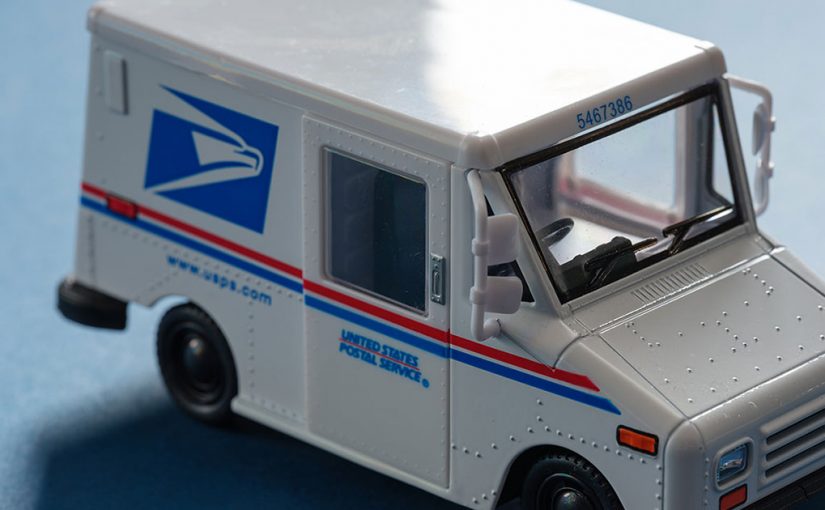
USPS processing and delivery issues can disrupt business-critical mail, especially when timing and documentation matter. If you send mail online or rely on Certified Mail online for legal or compliance communication, understanding how USPS processing works—and what to expect when delays happen—is essential.
Mail moves through one of the largest logistics networks in the world. While the United States Postal Service (USPS) processes millions of pieces daily, delays, tracking gaps, and weather disruptions do occur.
At LetterStream, we process, print, and enter mail into the USPS (and FedEx 2Day) system quickly and consistently. What happens after USPS acceptance depends on USPS transportation timelines—not ours. Knowing that distinction helps you plan realistically.
Below are practical FAQs to clarify common concerns.
Why Is My USPS Mail Delayed?
Mail delays can happen for several reasons:
- Weather events
- High seasonal volume
- Transportation disruptions
- Address issues
- Processing backlogs
According to USPS service alerts, weather and transportation constraints are among the most common causes of temporary disruptions.
It’s important to distinguish between production time and postal transit time.
When you send mail online through LetterStream, your job is processed and entered into the USPS system fast. That entry timestamp is recorded in your dashboard.
Once USPS accepts the mail, it moves through its sorting and transportation network. Transit timing from that point forward is outside of any print and mail service’s control, including LetterStream. Once the mail is sent, it’s out of our control.
Why Has Certified Mail Tracking Not Updated?
Tracking updates depend on barcode scans inside USPS facilities.
For Certified Mail online through LetterStream, tracking numbers are generated automatically. However, USPS tracking does not update continuously. Gaps between scans are common.
Tracking may appear stalled because:
- The item is traveling between facilities
- A scan was missed
- It is awaiting the next processing event
USPS confirms tracking updates occur at specific scan points.
When you send Certified Mail online through LetterStream, you can see:
- When your job was submitted
- When it entered USPS custody
- Tracking updates inside your account as USPS scans occur
- Electronic Return Receipt signature, once signed for, if you opted in for that added service
We control submission speed and documentation accuracy. USPS controls transport movement and updates.
How Long Does Certified Mail Take?
Certified Mail typically follows First-Class Mail delivery timelines—generally 1–5 business days domestically. However, that timeframe is an estimate, not a guarantee and can sometimes take up to 14 days or more.
Two key factors determine timing:
- How quickly the mail is processed and entered into USPS
- How long USPS takes to transport it
LetterStream handles the first part quickly and consistently. Once USPS accepts the mail, its transit network determines arrival timing.
If you want a deeper breakdown of Certified Mail timelines and what influences them, we covered it on our blog here.
If timing is tight, planning ahead—or selecting a faster service, such as FedEx 2Day—may be necessary.
What If My Certified Mail Shows “In Transit” for Days?
“In transit” means the mail piece is moving through the USPS transportation and sorting network but has not yet received its next scan.
USPS tracking does not update continuously. Tracking events occur when the item is processed at specific facilities, so gaps between updates are normal.
Extended “in transit” statuses can happen when:
- Mail is traveling between regional processing centers
- The item is moving long distances between states
- Processing facilities are handling unusually high volume
- Weather or transportation disruptions slow routing
- A scan event is missed during automated processing
Because USPS logistics rely on scheduled transportation and automated sorting facilities, mail may travel hundreds or even thousands of miles between scan points before the next update appears.
For legal or compliance mail, the most important milestone is typically proof that the item was mailed and accepted into the USPS system. Certified Mail online provides documented proof of mailing and USPS acceptance—even if final delivery or signature confirmation takes additional time.
If your timeline cannot tolerate normal USPS transit variability, selecting a faster carrier service—such as FedEx 2Day—may be a better option for time-sensitive documents.
When Should I Use FedEx 2Day Instead?
Certified Mail online is designed primarily for documentation. It provides proof of mailing, USPS tracking, and optional signature confirmation—features that are often required for legal notices, compliance communication, and formal correspondence.
FedEx 2Day serves a different purpose. It is designed for speed and predictable delivery timing.
While Certified Mail follows First-Class Mail transit timelines that typically range from 1–5 business days (and can vary depending on distance and postal conditions), FedEx 2Day is built around a defined carrier delivery window of two business days to most U.S. destinations.
You may want to consider FedEx 2Day when:
- Delivery timing is critical
- The recipient must receive the document within a specific window
- You need more frequent tracking updates throughout transit
- USPS transit variability could create operational or legal risk
Certified Mail is often the right choice when documented mailing and delivery records matter most. FedEx 2Day may be the better option when delivery speed and predictability are the priority.
Like USPS mail, LetterStream processes and hands off FedEx shipments quickly. Once the carrier accepts the package, transportation timelines are controlled by the carrier’s network.
Choosing the right mail class is not just about cost—it’s about selecting the service that best protects your timeline, documentation needs, and operational risk.
Can I Send Certified Mail to a PO Box?
Yes, Certified Mail can be sent to a PO Box.
Because it is a USPS service, it can be delivered to PO Boxes within the United States. Tracking and proof of mailing still apply.
However, signature confirmation behavior may differ. In some cases, USPS may leave a notice in the PO Box rather than capturing a traditional doorstep signature.
If your documentation depends on signature confirmation, it’s worth understanding how the recipient’s PO Box is configured.
What Happens If Mail Is Returned?
Mail can be returned by USPS for several reasons, including:
- Incorrect or incomplete addresses
- Recipient relocation without a forwarding address
- Insufficient address details (such as missing unit numbers)
- Refusal by the recipient
- Expired or invalid forwarding orders
When USPS cannot successfully deliver a mail piece, it is typically marked as Undeliverable as Addressed (UAA) and returned to the sender when a return address is present.
Returned mail is common in high-volume mailing environments such as HOAs, property management, healthcare billing, and financial communications. Address changes, tenant turnover, and outdated records can quickly create delivery issues if address data is not regularly updated.
Using a centralized mailing dashboard helps organizations track returned mail more efficiently than manual or paper-based processes. Visibility into returned pieces makes it easier to identify address problems, correct records, and prevent repeated delivery failures.
While postal routing and delivery are outside the sender’s control, address quality is one of the most controllable factors in reducing mail disruptions. Verifying addresses before sending and maintaining updated contact records can significantly improve successful delivery rates.
Tools such as CASS-certified address verification can help standardize and validate mailing addresses before they enter the USPS system, reducing the likelihood of undeliverable mail.
Can a Print and Mail Service Prevent USPS Delays?
No print and mail service can control USPS transportation timelines.
What can be controlled is everything before USPS acceptance:
- Fast production turnaround
- Accurate address formatting
- Proper postage application
- Correct barcode placement
- Clear documentation
When you send mail online through LetterStream, your documents are processed and entered into USPS quickly and consistently.
USPS transport timing begins after acceptance.
While postal delays may occur, internal workflow delays do not have to.
The Bigger Picture: Clarity Protects Your Timeline
Mail remains a critical infrastructure for legal notices, compliance documentation, financial communication, and tenant correspondence.
Understanding what is controlled—and what is not—allows you to plan appropriately.
LetterStream’s focus is on being the best way to send mail, period. With fast, accurate, reliable production, and with visibility into when your mail enters the USPS or carrier network.
We move your mail into the system quickly. USPS and carrier networks control transit timing after acceptance.
When business-critical communication is involved, clarity matters more than assumptions.
To learn more about LetterStream or to sign up for a free account, click here.
LetterStream offers bulk printing and mailing services, allowing companies to send physical mail online. Whether it’s online Certified Mail, First-Class Mail, FedEx 2Day, or postcards, we give both small businesses and large corporations the time and freedom back to work on tasks that better serve the company. If you’re interested in creating a free account, you can do so here.