Hybrid Mail Explained: How Digital Files Become Real USPS Mail 

Hybrid mail has become an easy way for businesses to send physical letters without printers, supplies, or Post Office trips. Instead of handling envelopes and stamps yourself, you upload a digital file, and a print-to-mail service takes care of the rest. This guide explains how hybrid mail works, why it matters, and how it helps teams send mail quickly, accurately, and reliably. 

What Hybrid Mail Actually Means 

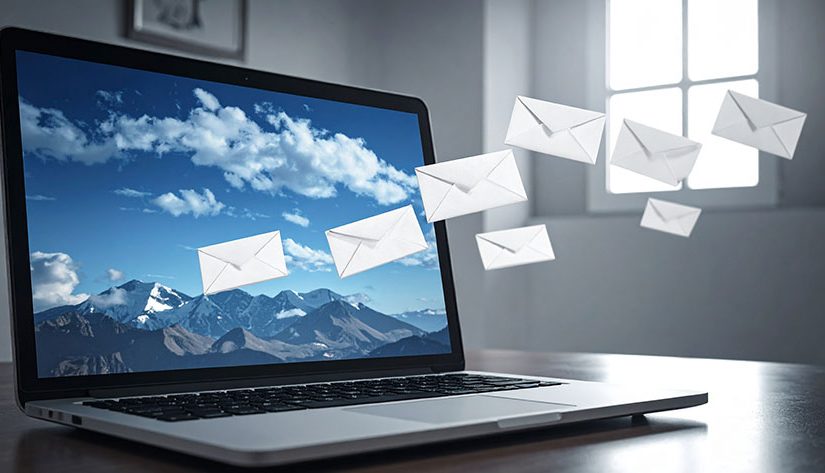
Hybrid mail is the combination of two worlds: digital submission and physical mailing. You start with a digital file—usually a PDF—and the service prints, sorts, and sends it as real USPS mail. The process eliminates manual steps like printing, folding, or stuffing envelopes, which saves time and reduces errors. 

Hybrid mail also supports different mailing needs, including First-Class MailCertified MailFedEx 2Daypostcards, and more. Everything begins online, but the final result is a physical letter sent to an actual mailbox. 

How Hybrid Mail Works Behind the Scenes 

Although the process feels simple to the user, several steps happen behind the scenes to make hybrid mail fast and reliable. LetterStream’s StreamLogic workflow, also known as The Stream, helps keep each step controlled and predictable, ensuring your mail moves smoothly from digital file to printed letter. 

1. You Upload Your Document 

You begin by uploading your PDF or letter. The system checks formatting, confirms address placement, and ensures your pages fit the chosen envelope. 

2. Automated Processing Prepares the Mail 

Once your file is accepted, automated tools verify page counts, address accuracy, and the correct mail class. This prevents issues that would normally slow down traditional in-house mailing. 

3. Printing and Assembly Begin 

High-speed equipment prints your documents, folds them, inserts them into envelopes, and applies postage. Because the process is automated, it’s consistent and fast. 

4. Your Mail Moves Into USPS Channels 

After preparation, your mail enters USPS or FedEx 2Day channels. At this stage, your letter is treated like any other piece of physical mail. 

Why Organizations Use Hybrid Mail 

Many organizations rely on hybrid mail because it removes the friction of traditional office mailing. It helps reduce administrative work, avoid equipment maintenance, and eliminate supply purchases. 

Hybrid mail is also ideal for: 

  • Teams sending recurring notices 
  • Businesses working remotely 
  • Organizations with compliance or tracking needs 
  • Offices looking to avoid printing and handling sensitive documents 

Hybrid mail also ensures accuracy, especially when sending Certified Mail or time-sensitive communications.  

Hybrid Mail in Action 

Imagine you need to send tenant notices, billing statements, or legal documents. Instead of printing everything manually, you upload your files, choose your settings, and click send. The system takes over from there. 

Your document is printed, sorted, inserted, and sent quickly and accurately—all without touching a printer. This process is especially useful for teams that want consistent mailing results without dedicating staff time to routine mail tasks. 

How LetterStream Supports Hybrid Mail 

LetterStream offers the easiest, fastest way to send mail. Our secure and efficient print-and-mail platform makes hybrid mail possible.

Whether you’re sending invoices and statements through First-Class Mail or legal and compliance notices through Certified Mail, The Stream supports each step so your mail gets out the door quickly, accurately, and reliably. 

Hybrid Mail Simplifies the Mailing Process 

Hybrid mail simplifies the entire mailing process by transforming digital files into real USPS mail. It reduces manual work, improves accuracy, and helps organizations communicate more efficiently. Whether you send a few letters or thousands, hybrid mail creates a faster, more reliable workflow. 

To learn more about LetterStream or to sign up for a free account, click here. 

LetterStream offers bulk printing and mailing services allowing companies to send physical mail online. Whether it’s online Certified Mail, First-Class Mail, FedEx 2Day, or postcards, we give both small businesses and large corporations the time and freedom back to work on tasks that better serve the company. If you’re interested in creating a free account, you can do so here. 

LetterStream small logo

What Is a Print-to-Mail Service? A Plain-English Guide for Non-Techies

Sending physical mail usually requires printers, toner, envelopes, and time—unless you use a print-to-mail service. These services let you upload a PDF and have a real letter printed, assembled, and mailed on your behalf. This guide explains how the process works in simple terms and why more organizations are choosing to send mail online.

What a Print-to-Mail Service Actually Does

A print-to-mail service turns your digital document into real physical mail. You upload a file, enter the address, choose your mail type, and the service prints, folds, inserts, seals, stamps, and hands it to USPS or FedEx. At least that’s how it works at LetterStream. This removes the need for office printers, supplies, or manual mailing tasks.

Teams that want predictable, consistent workflows rely on print-to-mail platforms because they reduce errors and eliminate repetitive steps. The process follows controlled, automated systems that keep mail moving quickly and accurately from upload to mailbox.

How Print-to-Mail Services Work Behind the Scenes at LetterStream

Even though the user experience is simple with these platforms, several important steps occur behind the scenes. Understanding these steps helps explain why the workflow is so reliable.

You Upload a PDF or Document

You choose a PDF, enter recipient details, and select the mail class you want to send.

The System Checks the File and Address

Address formatting, alignment, and page count are verified before printing. This step prevents common issues that lead to undeliverable mail. These checks reduce returned mail, which is one of the biggest challenges in traditional workflows.

Documents Are Printed and Inserted

Automated equipment prints the letter, folds the pages, inserts them into envelopes, and prepares them for mailing. Controlled workflows keep the process accurate and efficient.

Your Mail Enters USPS or FedEx Channels

The final step is handoff to the postal carrier, which could be the United States Postal Service (USPS) or FedEx. From there, you can track your letter, as long as you choose either Certified Mail or FedEx 2Day.

Why Organizations Use Print-to-Mail Services

Businesses and nonprofits rely on print-to-mail services because they simplify communication and reduce internal workload. Most organizations see immediate benefits in accuracy, time savings, and workflow consistency.

Reduced Administrative Work

Mailing tasks consume time—loading printers, fixing jams, stuffing envelopes, and managing postage. Outsourcing eliminates these steps and frees teams for higher-value work.

Fewer Errors and More Reliable Output

Automated workflows catch alignment issues, formatting errors, and address problems early. Accuracy matters most for sensitive mail like Certified Mail.

Support for Many Mail Types

Most platforms allow you to send First-Class Mail, Certified Mail, postcards, and premium mailing options—all in one place. At least this is true at LetterStream. This keeps everything consistent, even as needs change.

Imagine preparing an important notice. Instead of printing pages at your desk, you upload a PDF, choose the mail class, and send it. The system does the rest. This fast and predictable workflow is why legal teams, HOAs, healthcare offices, and financial professionals rely on print-to-mail solutions for critical communication.

When a Print-to-Mail Service Makes Sense

Print-to-mail services are useful for organizations that want to reduce manual work, improve accuracy, and streamline recurring communication. They are especially helpful for teams that:

  • Send repetitive notices or statements
  • Need reliable tracking or documentation
  • Manage compliance-driven communication
  • Want remote or hybrid staff to send mail easily
  • Prefer digital-first workflows

HOAs, property managers, healthcare practices, legal offices, and financial services teams often adopt these platforms early because accuracy and compliance matter in their daily operations.

How LetterStream Helps You Send Mail Online

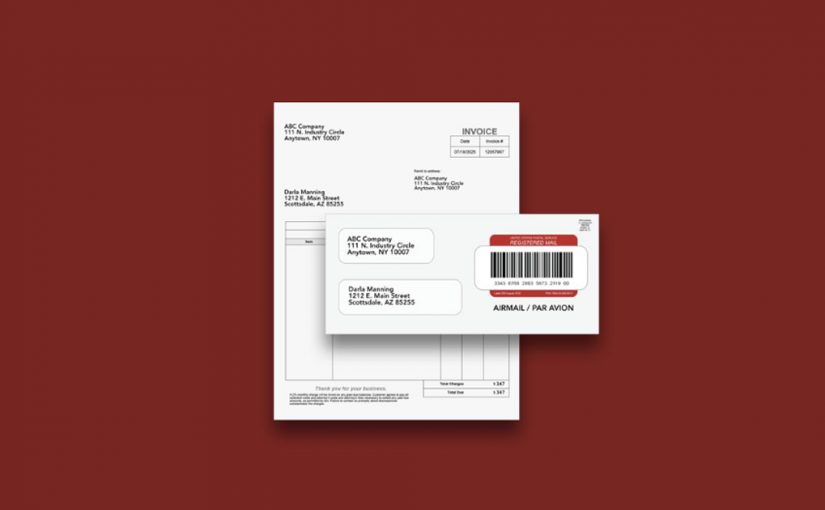
LetterStream makes mailing simple. Users upload a PDF, choose First-Class Mail, Certified Mail, FedEx 2Day, postcards, or Registered Mail (International Certified Mail), and the system handles everything from printing, inserting, applying postage, and getting the mail out the door.

Every piece of mail follows a controlled, accuracy-focused workflow to ensure it moves quickly and reliably from upload to going out the door. Plus, our pricing is transparent, straightforward, and designed for organizations of all sizes. See the breakdown here.

Why Print-to-Mail Services Create Faster, More Reliable Mailing Workflows

Print-to-mail services replace manual printing and mailing with a streamlined digital process that improves accuracy and reduces administrative workload. Whether you’re sending one letter or thousands, the workflow remains consistent, secure, and easy to use. When communication needs to be dependable, print-to-mail services give organizations the tools to send mail quickly, accurately, and with less effort.

To learn more about LetterStream or to sign up for a free account, click here.

LetterStream offers bulk printing and mailing services allowing companies to send physical mail online. Whether it’s online Certified Mail, First-Class Mail, FedEx 2Day, or postcards, we give both small businesses and large corporations the time and freedom back to work on tasks that better serve the company. If you’re interested in creating a free account, you can do so here.


LetterStream small logo

What Business Mail Taught Us in 2025 and How to Fix It for 2026

If 2025 made anything clear, it’s this: business mail doesn’t fail loudly. It fails quietly.

Not with alarms or system crashes—but with missed deadlines, delayed notices, unanswered disputes, and that uneasy feeling of “Did that actually go out?”

For many teams, 2025 was the year business mail finally revealed its weak spots. Shorter staffing cycles, more remote work, tighter compliance expectations, and less tolerance for errors exposed processes that had worked “well enough” for years—until they didn’t.

As teams prepare to turn the calendar to January 1, now is the moment to take stock of what business mail taught us in 2025, and what needs fixing before the year officially resets.

Lesson #1: Manual Mail Breaks Under Pressure

One of the biggest lessons of 2025 is that manual mail processes don’t scale when pressure hits.

Throughout the year, teams faced:

  • Unexpected staff absences
  • Heavier compliance mail volumes
  • Shortened workweeks and remote approvals
  • Increased expectations for proof and tracking

In those moments, relying on someone to print documents, stuff envelopes, walk them to outgoing mail, and remember which notices went where proved to be weak.

The teams that stayed steady were the ones that could send mail online, centralize documents digitally, and trigger physical delivery without depending on in-office routines.

Manual processes don’t fail every day—but 2025 showed they fail exactly when reliability matters most.

Lesson #2: Visibility Is No Longer Optional

In 2025, “we mailed it” stopped being an acceptable answer.

Whether dealing with compliance notices, legal correspondence, healthcare communications, or HOA documents, teams increasingly needed to know:

  • When mail was sent
  • How it was delivered
  • Whether it was received
  • What proof exists if questions arise

Lack of visibility created downstream chaos—especially when mail was time-sensitive.

Tracking, confirmation, and centralized records became essential, not nice-to-have features. This is why more organizations leaned into Certified Mail online options that provided built-in documentation without adding complexity to internal workflows.

Mail that can’t be tracked becomes mail that can’t be defended.

Lesson #3: December Exposed Every Workflow Gap

December has a way of stress-testing everything.

In 2025, shortened weeks, holiday closures, and rotating staff made it painfully obvious which mail processes depended on specific people being present. Approval bottlenecks, outdated address lists, and disconnected systems all surfaced at once.

Teams that relied on shared inboxes, physical checklists, or “someone usually handles that” struggled to keep things moving.

Teams that adopted digital-to-physical mail workflows—where documents could be uploaded, approved, sent, and tracked from anywhere—maintained continuity even when offices were quiet.

December didn’t create the problems. It revealed them.

Lesson #4: Compliance Mail Requires Precision, Not Memory

Another major takeaway from 2025 is that compliance mail can’t rely on institutional knowledge alone.

Too many processes still depended on someone remembering:

  • Which notices require proof of mailing
  • Which recipients need Certified proof
  • Which timelines apply to which document types

As regulations tightened and scrutiny increased, this approach proved risky.

Successful teams embedded compliance directly into their workflows—using standardized templates, automated triggers, and documented delivery methods. By relying on a structured print and mail service, they reduced the chance of human error while improving consistency across every send.

Compliance doesn’t leave room for guesswork.

Lesson #5: Business Mail Is a System, Not a Task

Perhaps the most important lesson of 2025 is that business mail isn’t a one-off task—it’s a system.

When mail lives across email threads, desktops, printers, and filing cabinets, it becomes nearly impossible to manage holistically. But when it’s centralized—digitally uploaded, automatically processed, and physically delivered with visibility—it becomes predictable.

Predictability is what teams craved most in 2025.

Organizations that treated mail as a system were better prepared for staffing changes, remote work, regulatory demands, and year-end pressure. Those that didn’t were constantly reacting.

What Teams Should Fix Before January 1

Before the new year officially begins, teams should take a clear-eyed look at their mail operations and ask:

  • Can we send and track mail without relying on one person?
  • Do we have proof available for every critical notice?
  • Can mail be sent remotely if offices are closed?
  • Are address lists current and validated?
  • Is compliance built into the process—or handled afterward?

Fixing these issues doesn’t require a full operational overhaul. It requires intentional changes that bring clarity, visibility, and structure to how mail moves through the organization.

2026 doesn’t need new resolutions. It needs fewer weak links.

Looking Ahead

Business mail may not be the loudest part of operations, but 2025 proved it’s one of the most revealing. When it works well, no one notices. When it doesn’t, everything downstream feels the impact.

As teams step into January, the opportunity is simple: leave behind the processes that caused stress, uncertainty, and last-minute scrambles—and carry forward the systems that made mail dependable.

LetterStream makes printing and mailing a breeze. To learn more, click here.

LetterStream offers bulk printing and mailing services allowing companies to send physical mail online. Whether it’s online Certified Mail, First-Class Mail, FedEx 2Day, or postcards, we give both small businesses and large corporations the time and freedom back to work on tasks that better serve the company. If you’re interested in creating a free account, you can do so, here.

How to Keep Business Mail Moving with Hybrid Teams

December brings its own rhythm to the workplace. Some colleagues work remotely, others take time off, and a few hold down the office while the year winds down. These shifting schedules can make business mail harder to manage, especially when approvals, signatures, or customer notices depend on people who may not be in the building. Yet with the right workflow, distributed teams can keep critical mail moving smoothly—no matter where everyone is working from.

When Schedules Shift, Mail Processes Often Slow Down

Most teams feel the December squeeze at some point: the person who approves mailings is on PTO, the individual who signs checks is out of town, or the mailroom sits in one state while managers are spread across several others. Hybrid work doesn’t create these issues, but it does shine a light on the processes that rely too heavily on someone being physically present.

The result is predictable—mail waits. And waiting during December often means missing deadlines, delaying payments, or slowing down year-end communication.

The Hidden Breakdowns in Distributed Mail Workflows

December makes small inefficiencies more visible. Proofs sit in inboxes longer. A document that needs to be printed stays stuck because only one teammate knows the process. Or someone needs to approve a notice but can’t access the tools from home.

If teams rely on in-office printers or manual handoffs, these gaps widen quickly. Hybrid work works best when every step of the workflow can move independently of where people happen to be sitting.

How LetterStream Helps Hybrid Teams Keep Mail Moving

This is where online mailing becomes a major advantage. When teams prepare and send their mail through LetterStream, they no longer depend on being in the office to keep things on schedule.

Everything—from uploading documents to reviewing proofs to approving mailings—happens online. A manager can approve a critical notice from another state. A remote employee can prepare end-of-year customer letters without needing access to a company printer. And the handoff to the carrier happens automatically once the job is submitted, keeping the workflow consistent even when staff schedules change.

Many organizations find that LetterStream reduces end-of-year bottlenecks because it eliminates the physical steps that slow teams down. Instead of mail piling up on a desk, everything moves through a simple, trackable process that works for people wherever they are.

December Workflows That Actually Work

When teams take a moment to look at how mail moves through the organization, a few straightforward updates can transform the experience. Clear digital approval steps keep projects moving. Standardized templates reduce questions. And online workflows prevent delays caused by vacation calendars or hybrid schedules.

As more companies rely on distributed teams, the ability to prepare and send mail online becomes a core part of staying efficient during the holidays.

Hybrid Work Doesn’t Have to Slow Down Your Mail

December may add complexity to the workday, but it doesn’t need to disrupt business-critical mail. With flexible systems and online tools that support distributed work, teams can collaborate smoothly, maintain their schedules, and keep every piece of mail moving without interruption.

To learn more about LetterStream or to sign up for a free account, click here.

LetterStream offers bulk printing and mailing services allowing companies to send physical mail online. Whether it’s online Certified Mail, First-Class Mail, FedEx 2Day, or postcards, we give both small businesses and large corporations that time and freedom back to work on tasks that better serve the company. If you’re interested in creating a free account, you can do so here.

LetterStream small logo

Easily Protect Your Business and Recipients From Mail Fraud and Scams

Mail has always been one of the most trusted ways to communicate — tangible, trackable, and personal. But in today’s environment, where digital and physical threats overlap, even the mail stream isn’t immune to fraud.

Businesses that rely on physical mail for invoices, statements, legal notices, or compliance documents must stay alert to the risks of mail fraud and scams. And with technology making it easier than ever to mimic official correspondence, protecting your business and your recipients requires a mix of vigilance, education, and smart mail management.

For organizations using a print and mail service like LetterStream, it’s not just about sending mail efficiently; it’s about ensuring that what’s sent is genuine, secure, and trusted.

Understanding Mail Fraud in Today’s Environment

Mail fraud has evolved beyond fake sweepstakes and counterfeit checks. Today, scammers use both digital and physical tactics to exploit trust in legitimate mail.

They may send letters that mimic a real company’s logo or wording, asking recipients to verify personal information. Others include QR codes or URLs that lead to phishing sites. In some cases, businesses themselves become victims — when fraudsters use their name, address, or branding to send deceptive mail that damages reputation and erodes customer trust.

For recipients, these scams often look convincing. For senders, even one fraudulent letter can create confusion, lost business, or compliance risk. That’s why organizations handling business-critical mail must implement safeguards at every stage, from data preparation to final delivery.

Common Types of Mail Fraud Targeting Businesses

Mail fraud can take many forms, but a few patterns appear most frequently:

Impersonation and brand misuse: Fraudsters imitate your company or a government agency using stolen logos, names, or templates to trick recipients into sending money or personal data.

Phishing-by-mail (also known as “smishing hybrids”): Scammers send physical letters with QR codes or web links that direct users to fake login pages.

Invoice and payment scams: Some criminals send convincing “replacement invoices” to redirect legitimate payments to fraudulent accounts.

Check theft and mail interception: Criminals target unlocked mailboxes or outgoing business mail to steal checks, documents, or credentials.

Each of these tactics relies on one thing: trust in the mail itself. Protecting that trust means combining secure mailing practices with recipient awareness.

How to Protect Your Business and Recipients

The best defense against mail fraud starts long before a letter leaves your office. Here are practical strategies to strengthen your mailing process and reduce exposure:

1. Secure Your Mailing Workflow

Limit access to sensitive data and production files. If you print in-house, control who can generate or approve official correspondence. If you outsource, choose a print and mail service with established data security protocols, encrypted uploads, and full tracking — like LetterStream’s secure platform.

2. Use Trackable and Verifiable Mail Classes

For critical or high-value communications, consider Certified Mail online or other traceable options. These services provide proof of mailing and delivery, making it harder for fraudulent mail to impersonate official correspondence.

3. Educate Recipients

Add small but effective fraud prevention elements to your mailpieces. For example, include a consistent return address, branded design, and clear contact information so recipients can verify authenticity. Educate your customers or members on what your legitimate mail looks like — and what it never includes (like requests for personal data or payments via third-party links).

4. Monitor for Unauthorized Use of Your Brand

Regularly check for fake mailings or lookalike campaigns using your organization’s name. Partner with your postal or compliance teams to report potential mail fraud to the USPS Inspection Service or the FTC.

5. Keep Your Data Clean and Your Process Documented

Fraudsters often exploit outdated mailing lists or unsecured workflows. By maintaining accurate recipient data and documenting your print-and-mail process, you reduce the chances of misdirected mail or data leaks that could be abused.

How LetterStream Supports Secure, Trusted Mail

At LetterStream, security and integrity are built into every mailing process. Our platform allows businesses to upload PDF documents securely, select mail classes, and track delivery with Certified Mail and FedEx 2Day from production to receipt. Each file is processed within a controlled, encrypted environment — minimizing handling, reducing the risk of interception, and ensuring confidentiality for both sender and recipient.

We also help organizations maintain consistency and professionalism in their printed materials — a key factor in building trust and deterring fraud. Whether you’re sending Certified Mail, First-Class Mail, or large-scale campaigns, your recipients will recognize your mail as legitimate, accurate, and on-brand.

Keep Your Mail Protected

Mail fraud may be evolving, but the solution is still rooted in diligence, design, and trusted delivery.

By tightening your processes, using secure services, and partnering with a reliable print and mail provider, you can protect both your organization and your recipients from scams.

Because in the end, trust is what keeps business mail powerful — and it’s worth protecting.

To learn more about LetterStream, click here.

LetterStream offers bulk printing and mailing services allowing companies to send physical mail online. Whether it’s online Certified Mail, First-Class Mail, FedEx 2Day, or postcards, we give both small businesses and large corporations that time and freedom back to work on tasks that better serve the company. If you’re interested in creating a free account, you can do so here.
LetterStream small logo

Artificial Intelligence in the Mail Industry

Artificial intelligence is transforming nearly every industry, and yes, that includes mail.

From faster sorting to smarter targeting, AI is helping organizations modernize one of the oldest and most trusted communication systems in the world. For businesses using a print and mail service like LetterStream, this evolution brings new ways to save time, cut costs, and improve accuracy — all while preserving the personal touch that makes mail so powerful.

The Quiet AI Revolution in Mail

The digital revolution didn’t make mail irrelevant — it made it smarter.

Today, AI is built into nearly every step of the mail journey. Sorting systems can now “see” and interpret addresses with the help of machine learning, automatically correcting errors that used to slow things down. Predictive tools forecast delivery timelines, helping postal operations plan routes, balance workloads, and adapt to spikes in demand.

In the business world, AI personalizes direct mail just as it does digital campaigns. Instead of sending identical letters to everyone on a list, companies can analyze patterns, segment audiences, and create versions that speak directly to each recipient. The result is higher engagement and greater efficiency — powered by technology but driven by strategy.

Even print production is getting an upgrade. AI now helps schedule jobs, spot formatting errors before printing, and coordinate multi-location production. For a company sending thousands of letters through LetterStream, that means fewer errors, faster output, and more consistent results across every batch.

Smarter Mail, Not Less Mail

AI’s greatest impact on mail isn’t about replacing people — it’s about enhancing the way they work.

Across the mailing industry, artificial intelligence is streamlining the workflows that used to take hours of manual coordination. Sorting systems are learning to read handwriting and damaged barcodes. Predictive models help postal networks prepare for surges and adjust delivery routes based on real-time conditions.

For businesses, AI is transforming the larger ecosystem that supports mail — from faster delivery predictions to smarter logistics and data insights. These improvements ripple through the supply chain, creating more reliable delivery windows and helping organizations plan communications with confidence.

And while AI powers much of this progress, it’s not working in isolation. The most successful mailing strategies combine intelligent tools with human expertise — teams that understand timing, message, and audience. That’s where services like LetterStream come in: pairing automation with people who know mail inside and out.

What AI Still Can’t Replace

For all its intelligence, AI can’t replicate what makes real mail matter.

A printed letter or Certified envelope carries more than ink and paper — it carries proof, presence, and intent. When a company sends something through the mail, it’s not just transmitting information; it’s delivering accountability. That physical piece becomes evidence of communication — something that can be received, signed for, archived, and trusted.

AI can help with scheduling, tracking, and reporting, but it can’t replace the assurance that comes with a stamped and sealed document in someone’s hands. It doesn’t feel the weight of compliance deadlines or the responsibility tied to a financial disclosure, a medical notice, or a legal notification.

Real mail still plays a unique role in business because it leaves a paper trail — literally. It builds trust where email can’t, confirms delivery where digital can fail, and demonstrates diligence where automation stops.

At LetterStream, we believe AI can make mailing faster and smarter — but the credibility, authenticity, and permanence of real mail will always be human at its core.

Finding the Right Balance with LetterStream

At LetterStream, we’ve built automation into every stage of our print and mail service so our clients can spend less time on logistics and more time on strategy.

But while technology runs in the background, people stay in control. Your team decides what to send, when to send it, and how to tailor it for maximum impact. Our team is behind the scenes, making sure everything runs smoothly. That’s the balance that defines the future of mail — efficiency through automation, guided by human insight.

AI and Mail

Artificial intelligence is changing how mail is made, moved, and measured. It’s improving accuracy, speed, and scalability — but it can’t replace authenticity, creativity, or human judgment.

By pairing LetterStream’s automated print and mail platform with your team’s expertise, you get the best of both worlds: technology that makes mail faster and more reliable, and people who make it meaningful.

To learn more about LetterStream, click here.

LetterStream offers bulk printing and mailing services allowing companies to send physical mail online. Whether it’s online Certified Mail, First-Class Mail, FedEx 2Day, or postcards, we give both small businesses and large corporations that time and freedom back to work on tasks that better serve the company. If you’re interested in creating a free account, you can do so here.
LetterStream small logo

How to Notify Customers of a HIPAA Breach

If your company has a HIPAA Breach, you might be wondering, is it best to notify your clients through Certified Mail or First-Class Mail? The answer is Certified Mail, but there’s more to it.

When a HIPAA breach happens, every moment matters. The U.S. Department of Health and Human Services (HHS) requires covered entities and business associates to notify affected individuals “without unreasonable delay” — and no later than 60 days after discovery. But as every healthcare administrator knows, compliance isn’t just about timing; it’s also about how you send those notices.

So when protected health information (PHI) is exposed and you need to send hundreds or even thousands of notifications, one big question arises: should you send them via Certified Mail or First-Class Mail? The answer depends on your organization’s need for proof, accountability, and documentation — and how you use automation to streamline the process.

Understanding HIPAA Breach Notification Requirements

Under HIPAA’s Breach Notification Rule, affected individuals must receive written notice explaining what happened, what data was compromised, and how they can protect themselves.

But HIPAA doesn’t specify much about how those notices should be mailed — only that they must be sent by “First-Class Mail to the individual’s last known address,” unless the person has opted for electronic delivery.

That flexibility leaves compliance teams with an important decision: stick with First-Class Mail, which meets the regulatory requirement, or opt for Certified Mail, which provides proof that each letter was sent and reached its destination.

When First-Class Mail Makes Sense

First-Class Mail is the USPS standard for correspondence, statements, and compliance letters. It’s fast, cost-effective, and reliable — typically arriving within two to five business days (sometimes longer).

For smaller breaches (fewer than 500 individuals) or notifications where a simple record of mailing is enough, First-Class Mail is often the right choice. It checks the regulatory box and keeps costs manageable.

Best for:

  • Small breaches or routine notifications
  • Instances where proof of mailing (not proof of receipt) is sufficient
  • Projects that prioritize speed and cost efficiency

With LetterStream’s print and mail service, healthcare organizations can send thousands of First-Class letters securely, accurately, and quickly — all while keeping PHI protected within a HIPAA-compliant environment.

When Certified Mail Is the Smarter Choice

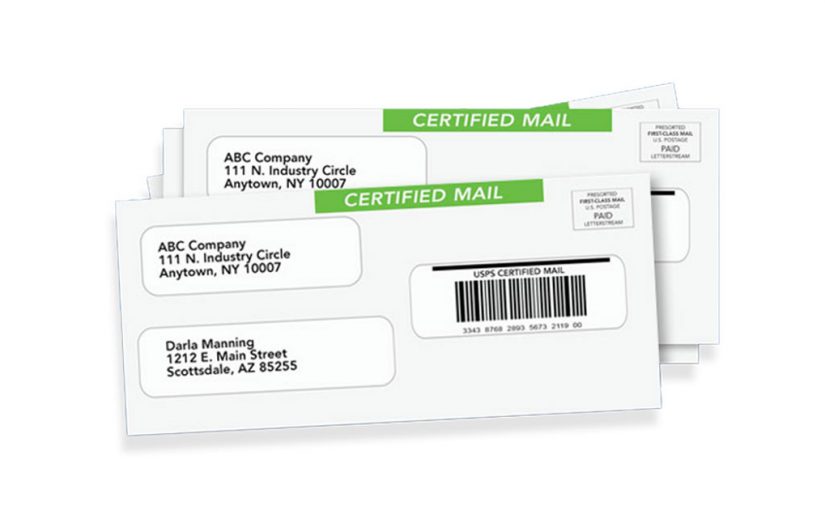
Certified Mail adds an extra layer of protection and documentation. Each piece is assigned a unique tracking number, providing confirmation when it’s delivered (or when a delivery attempt is made). You can even request an Electronic Return Receipt for signed proof of receipt.

For large-scale breaches or when legal exposure is high, Certified Mail is often worth the additional investment. It gives compliance teams something priceless: a verifiable trail showing each person was notified.

Best for:

  • Breaches involving hundreds or thousands of individuals
  • Situations where proof of receipt is critical
  • Times when regulators or legal counsel require detailed documentation

LetterStream’s Certified Mail online service removes all the manual work associated with green cards, Post Office lines, and physical filing. Each letter is tracked automatically, and your dashboard stores digital proof of mailing, delivery, and an Electronic Return Receipt if you requested it— ready for audits or compliance reviews.

Compliance Is About Proof, Not Just Postage

The real difference between Certified and First-Class Mail comes down to documentation. First-Class Mail means you know you sent the letter. Certified Mail confirms that you sent it and it was delivered.

In a compliance audit, that distinction can make or break your case. Regulators will expect evidence that every affected individual was notified — and if you can’t produce it quickly, it can lead to costly fines or extended investigations.

When in Doubt, Choose Certified Mail

In healthcare compliance or any industry where HIPAA is a factor, uncertainty costs far more than postage. If there’s even a small question about whether a patient received their breach notification, the safest path is Certified Mail.

That’s why many compliance officers and legal teams recommend using Certified Mail online for all breach notifications involving PHI. It’s not just about checking the HIPAA box; it’s about showing diligence, transparency, and commitment to patient trust.

The Takeaway

First-Class Mail fulfills the basic HIPAA mailing requirement. Certified Mail fulfills the need for proof and accountability. Both serve a purpose, but when the stakes are high, Certified Mail online gives you the security and evidence you need to satisfy regulators and protect your organization.

With LetterStream’s print and mail service, you can automate breach notifications, eliminate manual work, and prove compliance with confidence. Whether you’re sending 10 letters or 10,000, you’ll know your mail is documented, traceable, and secure.

To learn more about LetterStream, click here.

References

  1. U.S. Department of Health & Human Services (HHS) – Breach Notification Rule (45 CFR §§ 164.400–414)
    https://www.hhs.gov/hipaa/for-professionals/breach-notification/index.html
  2. U.S. Department of Health & Human Services (HHS) – Summary of the HIPAA Privacy Rule
    https://www.hhs.gov/hipaa/for-professionals/privacy/laws-regulations/index.html
  3. U.S. Postal Service (USPS) – Certified Mail Overview & FAQ
    https://www.usps.com/ship/certified-mail.htm
  4. U.S. Postal Service (USPS) – First-Class Mail Service Standards
    https://www.usps.com/ship/first-class-mail.htm
  5. Federal Register – Breach Notification for Unsecured Protected Health Information; Interim Final Rule
    https://www.federalregister.gov/documents/2009/08/24/E9-20169/breach-notification-for-unsecured-protected-health-information

LetterStream offers bulk printing and mailing services allowing companies to send physical mail online. Whether it’s online Certified Mail, First-Class Mail, FedEx 2Day, or postcards, we give both small businesses and large corporations that time and freedom back to work on tasks that better serve the company. If you’re interested in creating a free account, you can do so here.

LetterStream small logo

In a Digital World Physical Mail Still Gets Attention

In a world of digital overload, physical mail still grabs attention—and here’s the psychology behind why it works for businesses.

A property manager once told me that half their residents ignored email reminders about dues—but when the same reminder arrived in a letter, payments rolled in almost immediately. It wasn’t the message that changed—it was the medium.

That story stuck with me because it highlights something we all know instinctively: physical mail feels different. In an age of nonstop notifications, a letter in the mailbox carries a weight that an email in the inbox simply can’t match.

Let’s look at the psychology behind why physical mail still captures attention—and how businesses can use it strategically with a modern print and mail service.

Tangibility Creates Trust

When people can hold something in their hands, they value it more. A physical letter signals effort, cost, and intention. It’s harder to dismiss than another subject line in an overcrowded inbox.

Studies have shown that tactile communication creates stronger memory and trust. In business, this can be the difference between a client responding quickly or ignoring you altogether.

Scarcity Makes It Stand Out

“We’re drowning in digital clutter. The average professional receives around 120 emails per workday, and email tasks eat up as much as 28% of one’s work time, according to Harvard Business Review.

Meanwhile, physical mail has become rare in many people’s daily routines. Because it’s unusual, when something does arrive in the mailbox, it has more psychological weight — less competition for attention, more novelty.

Basically, getting a letter today is like getting a handwritten note at a crowded conference—it cuts through the noise.

Effort Signals Importance

People intuitively know it takes more effort to send a letter than to fire off an email. Even if you use automation behind the scenes, the recipient perceives a letter as deliberate and meaningful.

That perceived effort communicates importance. HOA managers, law firms, healthcare administrators, and other professionals can leverage this psychology to show that their message matters.

When someone receives a Certified letter, they don’t think ‘spam.’ They think, ‘I’d better pay attention.

The Hybrid Advantage with Modern Tools

The beauty today is that businesses don’t have to choose between old-school impact and modern convenience. With a print and mail service like LetterStream, you can create the psychological power of physical mail without stuffing a single envelope.

Upload your documents online, choose the right mailing method (First-Class, Certified Mail, FedEx 2Day), and let automation handle the rest. It’s the best of both worlds: the trust-building weight of physical mail with the ease of digital workflows.

Don’t Underestimate the Mailbox

Physical mail works because it feels different, important, and real. While emails blur together, a letter still has the power to stand out, build trust, and spark action.

If you want your communications to be noticed—not ignored—tap into the psychology of the mailbox. To learn more about LetterStream, click here.

LetterStream offers bulk printing and mailing services allowing companies to send physical mail online. Whether it’s online Certified Mail, First-Class Mail, FedEx 2Day, or postcards, we give both small businesses and large corporations that time and freedom back to work on tasks that better serve the company. If you’re interested in creating a free account, you can do so, here.

LetterStream small logo

How to Choose Between First-Class, Certified Mail and FedEx 2Day

Not sure whether to use Certified Mail, First-Class Mail, or FedEx 2Day? Here’s a clear breakdown to help businesses choose the right mailing option every time.

Over the years at LetterStream, I’ve seen businesses struggle not because they couldn’t figure out how to send a letter, but because they weren’t sure what type of mail to send it as. One client once sent a stack of critical compliance notices through regular First-Class Mail—only to discover later they had no proof of delivery. The fallout was expensive, stressful, and totally avoidable.

Mailing isn’t just about postage—it’s about choosing the right method for the job. Sometimes First-Class is all you need, sometimes Certified Mail online provides the accountability you can’t live without, and sometimes FedEx 2Day is the only option fast enough.

Let’s break down when to use each.

First-Class Mail: Fast & Affordable

If you’re looking for the everyday workhorse of mail, this is it. First-Class Mail is ideal for invoices, statements, friendly reminders, and general communications. It’s decently fast and cost-effective, making it the default for most businesses.

But here’s the catch: First-Class Mail doesn’t include tracking or proof of delivery. Once it’s sent, you’re trusting the system.

When to use it: Everyday communications that don’t require legal proof.

Think of First-Class like the city bus—reliable and affordable for most trips, but you wouldn’t rely on it to hand-deliver something priceless.

Certified Mail: Proof & Accountability

Now we’re stepping into more serious territory. Certified Mail provides proof of mailing, proof of delivery, and full tracking. That’s a big deal if your documents are legally or financially critical.

This is where Certified Mail online shines. Instead of waiting in line at the Post Office, you upload your documents, choose Certified Mail, and track everything digitally. The downfall is that it can sometimes take a long time to get delivered.

When to use it: HOA compliance letters, legal notices for court, healthcare reminders, government filings—anything where accountability matters.

Why it matters: Certified Mail protects both sender and recipient. If someone claims they never got your letter, you’ve got the receipts (literally).

Certified is like having a signature-required courier—only without the hassle of hiring one.

FedEx 2Day: Speed & Priority

Sometimes speed is non-negotiable. Contracts that need signing ASAP, financial documents that can’t sit, or legal filings with strict deadlines—these are FedEx 2Day moments.

With guaranteed two-business-day delivery and reliable tracking, FedEx 2Day ensures your mail gets priority handling. Yes, it costs more than First-Class Mail or Certified letters, but for time-sensitive documents, the peace of mind is worth it.

👉 When to use it: Urgent, high-stakes documents where time is critical.

FedEx 2Day is like booking a non-stop flight. It costs more than the bus or the car, but you’ll get there fast and reliably.

Comparison Table

FeatureFirst-Class MailCertified MailFedEx 2Day
SpeedNormalCan be slowGuaranteed 2 days
CostLowMediumHigher
TrackingNoneYesYes
ProofNoneProof of mailing + deliveryProof of delivery
Best UseEveryday communicationCompliance, legal, financial documentsUrgent, time-sensitive documents

Match the Mail to the Mission

The “right” mail option depends on what’s at stake. If it’s everyday communication, First-Class Mail works. If accountability matters, Certified Mail is the clear choice. If speed and reliability are critical, FedEx 2Day is worth the premium.

The good news is you don’t have to guess. LetterStream lets you choose the right option for each job—and manage it all online. To learn more, click here.

The Easiest, Fastest Way to Send Real Mail.
LetterStream makes printing and mailing a breeze.

LetterStream offers bulk printing and mailing services allowing companies to send physical mail online. Whether it’s online Certified Mail, First-Class Mail, FedEx 2Day, or postcards, we give both small businesses and large corporations that time and freedom back to work on tasks that better serve the company. If you’re interested in creating a free account, you can do so, here.

LetterStream small logo

Top 5 Mailing Mistakes & How to Avoid Them

Avoid the 5 biggest fall mailing mistakes that cost HOAs, law firms, and businesses thousands of dollars and discover how to send mail online without the stress.

When the air turns crisp and pumpkin spice takes over everything, there’s another kind of “fall” to watch out for—the fall season crash in business-critical mailing.

Deadlines stack up, offices get busier, and even the most experienced teams stumble into avoidable mistakes.

I still remember one October when a client’s HOA nearly missed a compliance deadline because of a tiny oversight—something as simple as forgetting Certified Mail. It was a reminder that no matter how seasoned you are, mailing pitfalls can hit hard when the year-end rush begins.

The good news? You don’t have to crash and burn this fall. Let’s look at the five biggest mailing mistakes I see companies make every year—and how you can avoid them by learning how to send mail online with confidence.

Pitfall #1: Forgetting Time-Sensitive Deadlines

Fall is deadline season. HOA budget notices, legal filings, healthcare compliance letters, and year-end construction invoices—all seem to land at once. The biggest mistake? Thinking you’ll “get to it later.”

A missed deadline can lead to legal consequences, compliance fines, or frustrated customers. Early in a customer’s career, they underestimated how quickly “plenty of time” became “yesterday was the deadline.” That mistake cost them thousands in late penalties.

How to avoid it: Automate your mailing process. With a print and mail service like LetterStream, you can schedule, track, and confirm delivery without last-minute panic.

Pitfall #2: Choosing the Wrong Mail Type

Sending First-Class Mail when you needed Certified Mail is like showing up to a black-tie gala in sneakers. Wrong place, wrong outfit.

Certified Mail online provides tracking, proof of delivery, and peace of mind—things that regular First-Class Mail can’t offer. If your communication is legally or financially important, Certified isn’t just an option—it’s the standard.

How to avoid it: Match the mail type to the message. When in doubt, lean on Certified Mail online. It’s built for compliance and visibility.

Pitfall #3: Inconsistent Address Data

A single typo can derail an entire project. Imagine printing 500 letters addressed to “123 Elm Strret.” That’s not just embarrassing—it’s costly.

One fall season, a customer used our Address List Cleanup Service, and it flagged hundreds of bad addresses in a spreadsheet upload. Without verification, those letters would have bounced, delaying notices for weeks.

How to avoid it: Use address verification tools before sending. A good business mail automation platform will catch errors before they turn into disasters.

Pitfall #4: Underestimating Seasonal Volume

Think of the fall rush like holiday traffic. Everyone’s trying to hit deadlines, and the system clogs. HOA dues, healthcare billing cycles, legal filings, and year-end statements all collide.

If you’re still manually stuffing envelopes, you’re setting yourself up for a traffic jam.

How to avoid it: Outsource high-volume tasks to an outsourced print and mail partner. Automation ensures your mail doesn’t get stuck in seasonal bottlenecks.

Pitfall #5: No Tracking or Transparency

Dropping letters in the outgoing bin without tracking is like tossing your wallet into a pile of autumn leaves—you may never see it again.

Tracking matters. It’s not just about peace of mind—it’s about accountability. Certified Mail and FedEx 2Day both have tracking (which you can see in your LetterStream dashboard), and they both give you visibility from upload to mailbox.

How to avoid it: Always send critical communications with tracking enabled. Transparency saves time, stress, and rework.

Stay Ahead of the Fall Crash

Mistakes are easy to make—but even easier to prevent when you have the right system in place. With a few safeguards and the right partner, fall can be less about stress and more about progress.

At LetterStream, we’ve built tools that help professionals send mail online with confidence—even during the busiest seasons.

👉 The Easiest, Fastest Way to Send Real Mail.
LetterStream makes printing and mailing a breeze. Click here to learn more.

LetterStream offers bulk printing and mailing services allowing companies to send physical mail online. Whether it’s online Certified Mail, First-Class Mail, FedEx 2Day, or postcards, we give both small businesses and large corporations that time and freedom back to work on tasks that better serve the company. If you’re interested in creating a free account, you can do so, here.

LetterStream small logo