
How to Send Business Postcards Online in Minutes

Can you really send postcards from your computer without printing or visiting the Post Office?

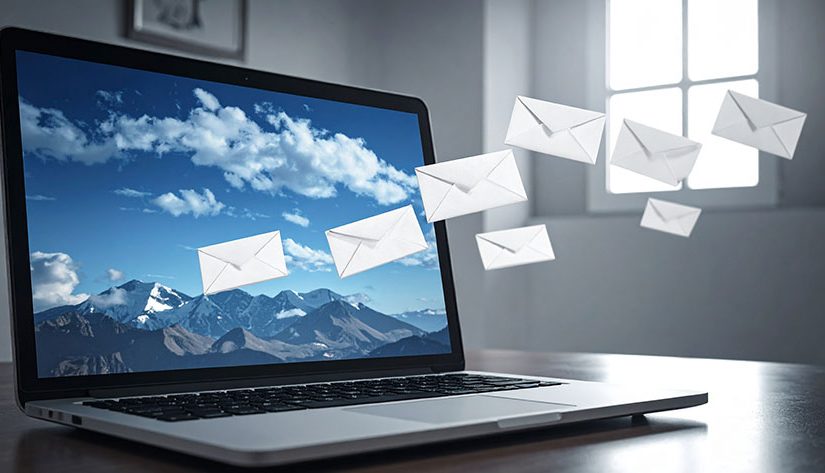
Yes. Businesses today can send postcards online using a print and mail service, allowing them to upload designs, choose recipients, and send physical postcards through the United States Postal Service (USPS) in minutes.


Postcards may seem simple, but they remain one of the most effective ways to communicate with customers, residents, and clients. They’re easy to read, hard to ignore, and perfect for reminders, promotions, and quick thank-you messages.

The challenge for many organizations isn’t deciding to send postcards. It’s the logistics of printing them, addressing them, adding postage, and coordinating the mailing process.

Fortunately, sending postcards no longer requires stacks of cardstock, label printers, or trips to the post office. Businesses can now send postcards online directly from their computers.

Why Postcards Still Work in a Digital World

In a world full of emails, notifications, and digital ads, postcards offer something different: visibility.

Unlike an email that may sit unread in an inbox, a postcard arrives physically in someone’s mailbox. There’s no envelope to open and no login required to view it. The message is immediately visible.

This makes postcards especially useful for short, clear communications such as:

  • Appointment reminders
  • Payment reminders
  • Event announcements
  • Limited-time promotions
  • Thank-you notes
  • Customer follow-ups

Many businesses find that postcards work particularly well because they feel personal while still being quick to read.

For organizations that regularly communicate with customers, residents, or patients, the ability to send postcards online makes the process far easier.

Common Ways Businesses Use Postcards

Postcards are surprisingly versatile across industries. Because they are concise and direct, they’re ideal for messages that don’t require long explanations.

  • Healthcare offices often send appointment reminders or wellness check notices using postcards.
  • Property management companies and HOAs may use postcards to remind residents about meetings, inspections, or community events.
  • Retail businesses frequently send promotional postcards announcing sales or seasonal offers.
  • Service-based companies may use postcards to thank customers for their business or encourage repeat visits.

In each of these cases, the message is simple and timely. The postcard acts as a quick nudge that encourages the recipient to take action.

When businesses use a print-to-mail service to send mail online, they can distribute these reminders quickly without managing the printing process themselves.

The Traditional Postcard Mailing Process

Before online mailing tools became common, sending postcards required several manual steps.

First, postcards needed to be designed and printed. This often meant ordering them in bulk from a print shop or printing them internally.

Next came addressing. Businesses had to apply labels or print addresses directly onto the cards.

Then postage had to be applied, either with stamps or postage meters.

Finally, the entire batch had to be taken to the post office.

For organizations sending dozens or hundreds of postcards, this process could take hours.

Today, however, most of those steps can be handled digitally.

How to Send Postcards from Your Computer with LetterStream

With LetterStream’s workflow, businesses can send postcards from their computer without managing printing, addressing, or postage themselves.

The process is designed to be simple and fast.

First, you choose your size postcard. LetterStream offers two options: Express Postcard and Pro Postcard.

Next, upload your recipient list. Most businesses already store customer or contact information in spreadsheets or CRM systems, so uploading an Excel or CSV file usually takes only a few seconds.

After upload your postcard design into The Stream. This can be a front-and-back postcard layout exported as a PDF from your design software or marketing platform.

Once the design and recipient list are loaded, you review your proofs, confirm the mailing details, and submit the job.

From there, LetterStream handles the rest. The postcards are printed, prepared for mailing, and entered into the United States Postal Service (USPS) mail stream.

For the business sending them, what once required coordinating printing, labels, stamps, and a Post Office run can now be completed in just a few minutes directly from a computer.

Why Businesses Use Postcards to Stay Connected with Customers

Communication doesn’t always need to be complicated to be effective.

Sometimes the most powerful message is a short reminder, a quick promotion, or a simple thank-you.

Postcards have remained popular for decades because they deliver that kind of message clearly and directly.

Today, businesses don’t need to manage the printing, addressing, or postage themselves. With the right tools, they can send postcards online in minutes and focus on building stronger connections with their customers.

To learn more about LetterStream or to sign up for a free account, click here.

LetterStream offers bulk printing and mailing services, allowing companies to send physical mail online. Whether it’s online Certified Mail, First-Class Mail, FedEx 2Day, or postcards, we give both small businesses and large corporations the time and freedom back to work on tasks that better serve the company. If you’re interested in creating a free account, you can do so here.


Small Businesses: Never Use a Printer For Your Mailings Again

Sending invoices and statements without a printer is now one of the easiest ways for small businesses to save time, reduce errors, and keep cash flow moving. 


Printers break. Toner runs out. Mail piles up at the worst possible time. For many small businesses, printing and mailing invoices manually creates delays that hurt both efficiency and revenue. 

Today, there is a better way to handle business-critical mail without owning a printer. 

Why Printing Invoices Manually Slows Small Businesses Down 

Manual invoicing adds unnecessary steps. 

Each invoice requires printing, folding, stuffing, stamping, and tracking. When volume increases, those steps steal hours from already busy teams. Small mistakes can also delay payment or create confusion with customers. 

For businesses sending invoices weekly or monthly, these inefficiencies add up quickly.

How Sending Invoices Online Works 

Sending invoices online removes the need for printers and supplies. 

With LetterStream, small businesses upload invoice files directly from their computers. Mailing preferences are chosen, and our automatic system, known as The Stream, prints and sends the mail quickly, accurately, and reliably. 

This process works for both invoices and recurring statements. It also provides consistency, which is critical when managing customer billing. 

Instead of managing equipment, teams focus on running the business. 

Why Physical Invoices Still Matter 

Email invoices do not always get seen. Messages land in spam folders or go unopened. Physical mail still commands attention, especially for billing and financial communication. Many customers trust printed invoices more than digital-only messages. 

Sending physical invoices does not mean handling them manually. Instead, online mail services make physical mail efficient again. It’s that simple.

Why Small Businesses Choose LetterStream 

LetterStream helps small businesses send invoices without adding complexity. 

Instead of managing printers and postage, businesses rely on a controlled workflow powered by The Stream. The Stream is LetterStream’s structured print-to-mail process that moves each document through a consistent path—from upload to printing, inserting, and mailing—without manual handling by the sender. Once an invoice is uploaded and mailing options are selected, the system manages the rest, keeping every piece of mail moving through the same reliable process.

Because The Stream standardizes how mail is produced and sent, it helps reduce common errors that can occur with manual preparation, such as misplaced documents, incorrect inserts, or missed mailings. Businesses gain a predictable workflow where invoices are processed accurately and sent out on schedule.

Key benefits include fewer missed mailings, predictable timing, and less administrative work. When billing runs smoothly, payments often follow faster.

A Better Way to Handle Statements and Billing Mail 

As small businesses grow, manual processes stop scaling. 

Online mail services can provide a repeatable system that grows with the business. Whether sending a few invoices or hundreds, LetterStream keeps billing mail organized and reliable.

If invoices matter to your revenue, sending them online without a printer is the smarter approach. 

To learn more about LetterStream or to sign up for a free account, click here

LetterStream offers bulk printing and mailing services, allowing companies to send physical mail online. Whether it’s online Certified Mail, First-Class Mail, FedEx 2Day, or postcards, we give both small businesses and large corporations the time and freedom back to work on tasks that better serve the company. If you’re interested in creating a free account, you can do so, here. 

LetterStream small logo

What Is LetterStream’s The Stream?

If you’ve ever wondered, “What is The Stream at LetterStream?” the short answer is this: The Stream is the powerful automation engine that allows businesses to send mail online quickly, accurately, and without manual effort.

But that simple answer doesn’t tell the whole story.

At LetterStream, we believe the best way to send mail is online, automated, and done right the first time. The Stream is how that happens. It’s the system that takes your digital documents and moves them from upload to printed, stuffed, stamped, and entered into the United States Postal Service (USPS) or FedEx 2Day network with speed and precision. 

Let’s break down what The Stream really is — and why it matters to anyone responsible for business-critical mail. 

The Stream Is the Flow From Digital File to Physical Mail 

The Stream is not a single tool or feature. It’s the system that connects every step of the mailing process into one standardized workflow.

At the center of The Stream is StreamLogic, LetterStream’s methodology for managing mail at scale. Each job follows the same structured path, which helps maintain accuracy and predictability regardless of volume.

That’s it. The Stream then handles the rest. 

That flow — from digital document to entry into the USPS or FedEx network — is what eliminates manual gaps. No separate printers. No spreadsheet tracking. No handoffs between departments.

And this structure matters most for organizations sending high-stakes communication: recall notices, credit repair letters, construction notices, compliance documentation, or any mail where timing and documentation carry weight.

Instead of disconnected tasks, everything moves through one standardized path. Files are processed securely. Addresses are handled correctly. Tracking is applied when needed. Records are stored automatically.

That’s the difference between “printing and mailing” and operating within The Stream.

Why The Stream Matters for Businesses That Send Mail Online 

When you send mail online, you’re not just outsourcing printing. You’re trusting a system to handle documents that often carry legal, financial, or regulatory weight.

The Stream reduces friction in three critical ways: speed, accuracy, and consistency.

Speed means you can upload documents today and know they’re moving through a defined process immediately. No waiting for internal staff to “get to it.” No stacks of paper sitting on someone’s desk. And most mail gets sent by the next business day.

Accuracy means automation reduces manual touchpoints. Fewer hands. Fewer chances for misprints or mismatched pages.

Consistency means every document follows the same standardized workflow. Whether you send one letter or ten thousand, the process doesn’t change.

According to the United States Postal Service, businesses rely heavily on First-Class Mail and Certified Mail for time-sensitive communications and compliance requirements. When those communications matter, your process matters just as much. 

The Stream ensures the process is dependable. 

Send Bulk Mail With The Stream

Another powerful aspect of The Stream is its ability to scale. 

Sending one letter manually is inconvenient. Sending 500–5,000 letters manually is a logistical problem. 

When you use a print and mail service like LetterStream, The Stream handles volume without increasing complexity. You can upload a batch of documents or integrate through API, and the workflow stays consistent. 

For example, if you’re sending monthly statements, annual meeting notices, or legal notifications: 

• Files can be uploaded in batches 
• Addresses can be processed systematically 
• Mail classes can be selected at scale 
• Tracking can be managed centrally 

The Stream is how that automation becomes reliable. 

Security and Control Inside The Stream 

Business-critical mail isn’t casual communication. It often includes sensitive information: account balances, legal language, compliance notices, and healthcare details. 

The Stream is designed to maintain control from upload to USPS or FedEx entry. 

That includes: 

• Secure file handling 
• Structured production processes 
• Clear audit trails 
• Accessible mail history in your dashboard 

When you send mail online through LetterStream, you’re not losing visibility. You’re gaining it. 

Instead of wondering whether something was printed or dropped off, you can log in and see status updates. That transparency is a major shift from traditional in-house mail handling. 

Using The Stream to Send Physical Mail

At LetterStream, our entire model is built around being the best way to send mail, period. That means a fast, accurate, and reliable print and mail service powered by a system that doesn’t rely on manual intervention at every step. 

The Stream is the backbone of that promise. 

When you upload a document, you’re not starting a series of tasks. You’re entering a structured flow designed to get your mail out correctly and efficiently. 

That’s what The Stream at LetterStream is.  

To learn more about LetterStream or to sign up for a free account, click here

LetterStream offers bulk printing and mailing services, allowing companies to send physical mail online. Whether it’s online Certified Mail, First-Class Mail, FedEx 2Day, or postcards, we give both small businesses and large corporations the time and freedom back to work on tasks that better serve the company. If you’re interested in creating a free account, you can do so here

LetterStream small logo

How Municipalities & Public Utilities Can Easily Automate Bills and Notices

Municipalities and utilities can rely on print-to-mail services to automate bills and notices while maintaining accuracy and reliability.  

From utility bills to compliance notices, public-sector mail must be timely, consistent, and easy to document. Manual mailing processes often struggle to keep up with volume, deadlines, and public accountability. 

Automating your mail helps simplify this work, and systems like The Stream support that effort by keeping mail moving through a consistent, reliable process behind the scenes. 

Why Physical Mail Remains Essential for Public Agencies 

Municipalities and utilities communicate with broad audiences. Not all recipients opt into digital billing or email notifications. 

Physical mail ensures access, formality, and recordkeeping. Bills, service notices, and policy updates often require printed communication to meet regulatory or accessibility standards. 

However, preparing that mail by hand can create issues. Automation offers a better approach without sacrificing control. 

Common Mailing Challenges for Municipalities and Utilities 

Public agencies manage recurring, high-volume mail. Even small inefficiencies can add up quickly. 

Teams often face: 

  • Tight billing and notice schedules
  • Sudden volume spikes
  • Limited visibility into when mail was sent
  • Mistakes leading to mailing errors or customer breaches

Manual workflows increase the risk of errors and delays. These problems can affect public trust. 

How Print-to-Mail Automation Can Improve Public Mail 

Using a printing and mailing company can allow agencies to generate and send mail directly from their desks. 

Bills and notices are uploaded or integrated, then printed and mailed without manual handling.  

Because mail is sent through a centralized process, agencies gain reliability and predictable timelines. Automation also simplifies internal coordination between billing, legal, and operations teams. 

Improving Accuracy and Documentation 

Accuracy matters in public-sector mail. Incorrect bills or unclear notices create confusion and follow-up work. 

Automated mailing workflows can reduce human error and create clear records of when mail was sent. This documentation supports audits, dispute resolution, and internal reporting. 

For agencies that need added proof, Certified Mail can support certain notices. You can learn more about this option on our Certified Mail page

Why LetterStream Can Help Municipal and Utility Workflows 

LetterStream helps organizations print and send mail online quickly, accurately, and reliably by bringing every step into one platform.

Mail submitted through LetterStream moves through The Stream, our end-to-end mailing system that applies a consistent process from file upload through mail-out. 

This approach allows agencies to maintain predictability and accuracy without managing printers, supplies, or manual steps. LetterStream supports a range of mail types, from standard bills to business-critical notices, utilizing First-Class MailCertified MailFedEx 2Daypostcards, and more. 

For teams modernizing their mailing strategy, this shift supports greater operational efficiency without adding complexity. 

A Reliable Way to Send Public Mail 

Automating bills and notices helps municipalities and utilities reduce risk while improving service. 

Using a print-to-mail service like LetterStream replaces fragmented processes with a system built for scale and accountability. The result is mail that supports public communication instead of complicating it. 

To learn more about LetterStream or to sign up for a free account, click here

LetterStream offers bulk printing and mailing services, allowing companies to send physical mail online. Whether it’s online Certified Mail, First-Class Mail, FedEx 2Day, or postcards, we give both small businesses and large corporations the time and freedom back to work on tasks that better serve the company. If you’re interested in creating a free account, you can do so here. 
LetterStream small logo

Nonprofit Fundraising Letters: How to Mail Appeals Without Leaving Your Desk 

Nonprofit fundraising letters remain one of the most effective ways to connect with donors, but mailing them by hand slows campaigns down.  

Printing, organizing, and managing appeals manually pulls staff away from donor engagement and mission-driven work. 

Mailing fundraising letters online allows nonprofits to stay efficient while keeping their focus where it belongs. By using The Stream, LetterStream applies a structured mailing process that keeps fundraising appeals moving quickly, accurately, and reliably from upload to mail-out. 

For organizations with small teams and limited resources, simplifying mail operations can make a meaningful difference. 

Mailing Fundraising Appeals Online 

Mailing fundraising appeals online removes the need for in-house equipment and hands-on processing. Instead of managing printers, paper, and postage, nonprofits upload their appeal letters from a computer and manage the entire mailing process digitally. 

This approach allows organizations to send physical fundraising letters without handling them manually. It works well for one-time campaigns, seasonal appeals, and recurring donor communication, all while maintaining consistency across every mailing. 

Why Physical Fundraising Letters Still Matter 

Digital outreach plays an important role in nonprofit communication. However, physical fundraising letters continue to stand out with supporters. Letters are more likely to be opened, read, and remembered because they feel personal and intentional. 

Physical fundraising mail offers several advantages: 

  • Higher engagement compared to email alone
  • A tangible experience that builds donor trust
  • Less competition than crowded digital inboxes

Mailing letters online allows nonprofits to keep the impact of physical mail without the manual effort traditionally required to send it. 

Why Nonprofits Choose LetterStream 

Nonprofit teams often work with limited staff, tight budgets, and strict timelines. LetterStream helps charitable and nonprofit organizations send fundraising mail without adding administrative burden. 

Instead of managing multiple tools or manual steps, nonprofits use a repeatable workflow designed to support accuracy and scale. This approach helps organizations stay compliant, organized, and on schedule during critical fundraising periods. 

Nonprofits use LetterStream to: 

  • Upload appeal letters securely from their desk
  • Save staff time during fundraising campaigns
  • Reduce errors caused by manual mail handling
  • Scale mail volume without increasing workload
  • Print and send mail online quickly, accurately, and reliably
  • Send First-Class, Certified Mail, FedEx 2Day, and postcards online

Behind the scenes, The Stream helps nonprofits get their mail out quickly and efficiently. These systems help maintain accuracy, timing, and reliability from start to finish, even as mailing volumes increase. 

Whether sending hundreds or thousands of fundraising letters, LetterStream helps meet nonprofit needs without pulling attention away from mission-focused work. You can learn more about how LetterStream supports charitable and nonprofit organizations here
 

A Smarter Way to Run Fundraising Campaigns 

Fundraising success depends on timing, consistency, and trust. Mailing appeals online allows nonprofits to move quickly while maintaining accuracy across every letter sent. 

By simplifying the mailing process, organizations gain more time to focus on donor relationships, program growth, and long-term impact. When every appeal matters, sending fundraising letters online is simply the smarter way to work. 

To learn more about LetterStream or to sign up for a free account, click here

LetterStream offers bulk printing and mailing services, allowing companies to send physical mail online. Whether it’s online Certified Mail, First-Class Mail, FedEx 2Day, or postcards, we give both small businesses and large corporations the time and freedom back to work on tasks that better serve the company. If you’re interested in creating a free account, you can do so here. 
LetterStream small logo

Sending Collection Letters from Your Computer: Best Practices and Compliance Basics

Sending collection letters from your computer is one of the most effective ways to stay compliant, reduce errors, and maintain consistency across every notice you send. For businesses handling past-due accounts, how mail is sent matters just as much as what the letter says.

Collection letters are sensitive by nature. They must be accurate, timely, and sent with care. When businesses rely on manual mailing, small mistakes can quickly turn into compliance concerns and operational slowdowns.

Modern technology now offers a smarter alternative to manual operations. By using The Stream, LetterStream applies a structured mailing process that keeps every collection letter moving quickly, accurately, and reliably from upload to mail-out.

Why Collection Letters Require Extra Care 

Collection letters are not simple reminders. They often carry legal and financial implications, which means accuracy and timing are critical. 

Errors in documents, recipient details, or mailing schedules can create unnecessary risk. Manual processes make it harder to control these details, especially at scale. Printing the wrong version, missing a notice, or sending letters late can undermine collection efforts. 

For this reason, consistency and documentation are essential when managing collection mail.

Staying Compliant Without Slowing Down 

Compliance does not have to mean complexity. Online mail services make it easier to send and track what was sent and when, which helps teams respond quickly if disputes or audits occur. 

By removing printers, envelopes, and manual tracking, businesses reduce workload while improving visibility. This creates a collection process that scales without adding unnecessary pressure to internal teams. 

Why Businesses Choose LetterStream for Collection Letters 

When mail carries legal or financial risk, predictability matters. Businesses choose LetterStream because it replaces manual guesswork with a structured, repeatable process. 

The Stream ensures collection letters are produced quickly, accurately, and reliably every time. There are no monthly fees, no minimum quantities, and no limits on when or where mail can be sent. Whether sending one letter or thousands, the process stays the same. 

Key benefits include: 

  • A proven process that keeps mail accurate and consistent
  • Free accounts with no monthly fees
  • No minimum quantity for mailings
  • 94% of mail sent by the next business day
  • Pricing that includes postage for predictable costs
  • HIPAA-compliant processes and secure facilities that help protect sensitive data

Single or multi-user access is included, allowing teams to collaborate without adding complexity. This combination of consistency, security, and flexibility, along with fast, accurate, and reliable mailing, makes LetterStream a dependable choice for managing collection letters. 

How Sending Collection Letters Online Can Work 

Sending collection letters online eliminates many of the manual steps that introduce risk and slow teams down. Instead of managing printers, envelopes, and tracking by hand, businesses move to a streamlined, controlled process. 

With LetterStream, collection letters are uploaded directly from a computer, and the mailing type is selected. From there, LetterStream prints and sends your mail quickly, accurately, and reliably. Most business mail is sent by the next business day, helping businesses keep notices on schedule with ease. 

This approach creates a repeatable workflow that removes guesswork. Every letter follows the same process, improving consistency and simplifying record-keeping. Behind the scenes, The Stream keeps mail moving in a predictable and dependable way. 

A Smarter Way to Manage Collection Mail 

Collection letters demand precision. Sending them from your computer using a printing and mailing service creates consistency without sacrificing speed. 

By moving collection mail online, businesses reduce risk, improve documentation, and maintain focus on core operations. When accuracy and compliance matter, sending collection letters online is the smarter choice. 

To learn more about LetterStream or to sign up for a free account, click here

LetterStream offers bulk printing and mailing services, allowing companies to send physical mail online. Whether it’s online Certified Mail, First-Class Mail, FedEx 2Day, or postcards, we give both small businesses and large corporations the time and freedom back to work on tasks that better serve the company. If you’re interested in creating a free account, you can do so here. 

LetterStream small logo

Print-to-Mail for Property Managers: Making Notices and Legal Mail Easier 

Property managers handle a constant flow of important mail. Rent notices, policy updates, and legal letters all have deadlines, and missing one or any of them can create real problems. When mail is handled manually, small issues can quickly turn into big headaches.

A print-to-mail service can help give property managers a simpler way to stay organized. Instead of juggling printers, envelopes, and postage, teams can send critical mail online with confidence.

Why Manual Mailing Can Cause Friction for Property Managers

Mail is not optional in property management. Notices and legal documents must be sent on time and documented properly. However, manual processes leave a lot of room for error.

When your staff manages multiple properties, mailing tasks pile up fast. Printing, stuffing, and tracking mail becomes an issue quickly. Each step adds stress and increases the risk of missed deadlines or incorrect addresses.

It also puts added pressure on team members to work after hours or on weekends, disrupting work-life balance.

How a Print-to-Mail Service Can Fit into Property Management Workflows

A print-to-mail service helps remove the hands-on steps that can slow teams down.

LetterStream specifically helps by allowing property managers to upload documents online and select mailing types and additional options. Then we print and send the mail quickly, accurately, and reliably. In fact, 94% of all mail goes out by the next business day. This creates a consistent process that works for one notice or for thousands.

Because of this, recurring notices become easier to manage.

Common Property Management Mail Sent Online

Property managers send many types of mail throughout the year. A print-to-mail service works well for notices that must be timely and documented. These mailings often include rent increase notices, lease updates, delinquency letters, and compliance communications.

Property managers often use Certified Mail to send legal notices that require proof of mailing, and great news, even Certified Mail can be sent online. Imagine never having to deal with a Green Card again. In fact, when using LetterStream to send your Certified letters, you get tracking located right inside your account. Meaning, you never have to type in a tracking number again.

Using one system helps teams stay consistent. Records are easier to track, and fewer details fall through the cracks. Time once spent managing mail can be redirected toward managing properties, like it should be.

Why Property Managers Often Choose LetterStream

When mail carries legal or financial weight, predictability matters. Property managers choose LetterStream because it replaces manual guesswork with a structured process built for consistency. The Stream keeps mail moving quickly, accurately, and reliably, helping teams send mail out fast and meet deadlines without constant oversight.

LetterStream is built for real-world property management workloads. Instead of rigid requirements or hidden costs, we offer flexibility that scales from a single notice to large, multi-property mailings.

Key benefits include:

  • The Stream, a process that ensures mail is produced quickly, accurately, and reliably every time
  • Free account with no monthly fees, making it easy to get started
  • No minimum quantity, whether sending one letter or thousands
  • Most mail is sent by the next business day, keeping time-sensitive notices on track
  • Pricing that includes printing, inserting, and postage, helping teams manage costs upfront

Security and accessibility are also central to the platform. Property managers can send mail online from anywhere at any time by uploading a PDF and letting LetterStream handle the rest. Single or multi-user access is included, so teams can collaborate without added complexity. HIPAA-compliant processes and secure facilities protect sensitive tenant information, which is critical when communication carries legal or financial impact.

A Smarter Way to Handle Notices and Legal Mail

Property management demands accuracy. Print-to-mail services can offer a practical way to manage high-volume, high-importance communication without slowing operations.

When mail needs to be fast, accurate, and reliable, print-to-mail, especially through LetterStream, is a better approach.

To learn more about LetterStream or to sign up for a free account, click here.

LetterStream offers bulk printing and mailing services, allowing companies to send physical mail online. Whether it’s online Certified Mail, First-Class Mail, FedEx 2Day, or postcards, we give both small businesses and large corporations the time and freedom back to work on tasks that better serve the company. If you’re interested in creating a free account, you can do so here.
LetterStream small logo

Online Printing and Mailing Services: What to Look for and What to Avoid 

Online printing and mailing services help businesses send physical mail digitally, eliminating in-house printing, manual handling, and operational inefficiencies while improving accuracy, security, and reliability.

Online printing and mailing services make it possible to send physical mail straight from your computer, but not all services offer the same quality, accuracy, or reliability. Choosing the right partner matters because your outgoing mail reflects your organization and impacts how efficiently your team works.

This guide breaks down what to look for, what to avoid, and how to choose the right service for your needs. 

Why Online Printing and Mailing Services Matter 

Traditional in-house mailing requires time, supplies, oversight, and equipment. Online printing and mailing can remove those steps by letting you upload documents, choose your mail class, and send everything digitally. Behind the scenes, the service prints, prepares, and sends your mail using controlled workflows designed to keep the process fast, accurate, and reliable. 

What to Look for in a Reliable Online Printing and Mailing Service 

1. Clear, Easy-to-Use Tools 

A dependable service should make uploading documents simple. You should be able to choose mail classes, confirm addresses, and preview your job before sending. Smooth workflows reduce mistakes and support consistent results. 

2. Support for Multiple Mail Types 

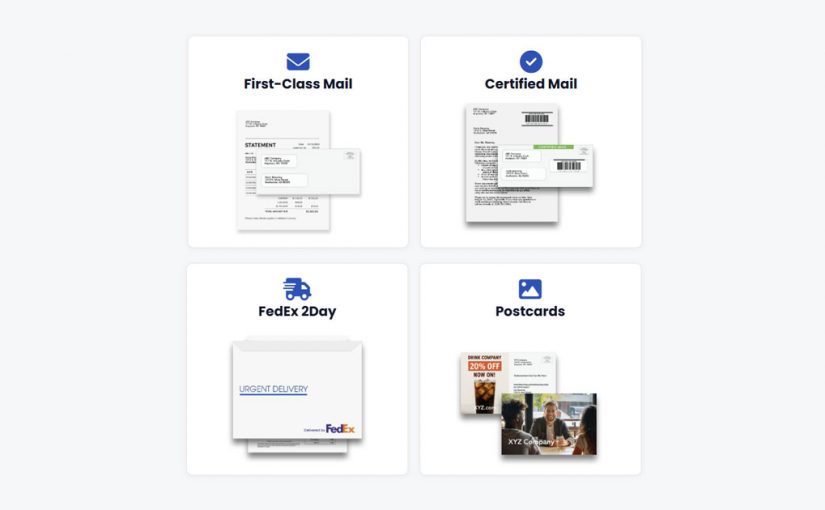
A good platform supports options like: 

The broader the support, the easier it becomes to manage all your mailing needs from one place.  

3. Secure Handling of Sensitive Information 

Mail often contains confidential or regulated data. You should feel confident that your platform uses secure processes, limits internal handling, and follows structured workflows such as The Stream. This reduces risk and increases consistency. 

4. Transparent Pricing 

Online printing and mailing should provide pricing clarity. Look for tools that let you estimate costs up front without requiring bulk commitments or hidden fees. This helps you budget more accurately and eliminates surprises. LetterStream’s pricing page offers a clear overview and includes a free account with no minimums or account fees. 

5. Dependable Accuracy for Every Job 

Because mailing errors create real consequences—delays, compliance issues, or customer frustration—you need a platform that manages accuracy automatically. Automated checks help avoid missing pages, wrong envelopes, and address problems. 

What to Avoid When Choosing a Provider 

1. Services That Lack Tracking or Status Visibility 

Sending mail without tracking or status updates makes it hard to confirm progress. Look for platforms that provide job status and visibility into each step. This is especially important when sending business-critical communication. 

2. Complicated Upload or Formatting Requirements 

If a service requires extensive formatting changes or doesn’t accept standard file types like PDFs, your workflow slows down. The process should feel simple from start to finish. 

3. Limited Support for High-Volume or Recurring Mailings 

Some services work well for one-off letters but struggle with bigger batches or recurring schedules. If your organization sends regular statements, notices, or reminders, you need a system that scales easily. 

4. Weak Security or Vague Handling Practices 

Avoid platforms that don’t clearly explain how they safeguard sensitive information. Transparency is key when your documents move from digital sources to physical mail streams. 

5. Inconsistent or Unpredictable Accuracy 

Inconsistency leads to errors. And errors lead to rework, customer issues, or compliance problems. Choose a service with a proven workflow for printing and sending mail online quickly, accurately, and reliably. 

The Benefits of Choosing the Right Service 

When you pick a strong online printing and mailing provider, your team saves time, reduces administrative burden, and avoids manual tasks like managing printers and supplies. You also reduce risk and improve communication quality. 

Sending Physical Mail Without the Hassle 

Online printing and mailing services make it easier to send physical mail without the hassles of in-house mailing. When evaluating your options, look for accuracy, transparency, security, and support for multiple mail types, and avoid services that make the process confusing or unreliable. Choosing the right partner helps you send mail quickly, accurately, and reliably (that’s what LetterStream does)—without adding extra work to your team. 

To learn more about LetterStream or to sign up for a free account, click here. 

LetterStream offers bulk printing and mailing services allowing companies to send physical mail online. Whether it’s online Certified Mail, First-Class Mail, FedEx 2Day, or postcards, we give both small businesses and large corporations that time and freedom back to work on tasks that better serve the company. If you’re interested in creating a free account, you can do so here. 

LetterStream small logo

New Changes to USPS postmarks. Why this is important for businesses

Announcement: 

USPS postmarks are now applied during processing rather than at drop-off, which means the date on a postmark may not reflect when mail was sent—creating challenges for businesses that rely on mailing deadlines and compliance requirements.


A USPS postmark no longer reliably indicates when your mail was sent, and this shift introduces new risk for deadline-driven businesses. 

For decades, “postmarked by” carried a clear and trusted meaning. If something was mailed on Monday, the postmark showed Monday. That expectation can no longer be relied upon. 

Today, United States Postal Service (USPS) postmarks often reflect when mail is processed rather than when it is dropped off.

In a statement addressing postmarking practices, USPS explains:  “The Postal Service has not changed and is not changing our postmarking practices. Postmarks are generally applied by machines at our originating processing facilities and will continue to contain … the date on which the first automated processing operation was performed on that mailpiece.” 

For businesses that depend on mailing deadlines, compliance requirements, or documentation, this creates a real and measurable operational risk. 

What a USPS Postmark Used to Represent 

Historically, a postmark acted as informal proof of a mailing date. Courts, tax agencies, and businesses relied on it to confirm something was sent on time. 

Drop a letter in the mail, and that date appeared on the envelope. Entire workflows and compliance systems were built around that expectation. 

For years, the process felt predictable and dependable until now. 

How USPS Postmarks Work Today 

Although the postmarking practices haven’t officially changed, according to USPS, adjustments have been made to the transportation operations, which can result in “some mail pieces not arriving at our originating processing facilities on the same day that they are mailed. This means that the date on the postmarks applied at the processing facilities will not necessarily match the date on which the customer’s mailpiece was collected by a letter carrier or dropped off at a retail location.”  

This means the date printed on mail is no longer fully within the sender’s control. 

Why This Change Can Matter for Businesses 

Postmarks are still used to determine whether something was sent on time. 

This can affect:

  • Tax filings, appeals, and refund requests
  • Legal notices and compliance letters
  • Business invoices, contracts, and other deadline-driven mail
  • Any communication governed by “postmarked by” rules

Even a one-day difference can result in rejected filings, disputes, or penalties. This is a real operational risk, not a hypothetical one. 

The Hidden Risk of USPS Postmarks for Businesses 

This is what makes the change especially challenging. Even when mail is prepared correctly, postage is applied properly, and USPS guidelines are followed; the postmark date can still be determined by processing delays. 

Those delays are invisible to the sender. For organizations managing recurring or high-volume mail, assumptions that worked for decades are no longer enough. 

Businesses now need greater awareness of how mailing timelines are documented and interpreted. 

When a Postmark No Longer Tells the Full Story 

Consider a homeowners’ association that sends annual notices or policy updates. These mailings may not require Certified Mail, but the association still needs to demonstrate that notices were sent if a homeowner later disputes receiving one. 

The board prepares the mailing on time and drops it in the mail before the deadline. Later, the envelope shows a postmark dated after that deadline. Nothing went wrong operationally, yet the documentation no longer reflects when the mail was actually sent. 

This same risk applies across industries. Legal offices, healthcare administrators, property managers, financial teams, and corporate departments all send time-sensitive mail that does not require signatures but still demands accountability.  

When postmarks reflect processing time rather than send date, any organization relying on mailing deadlines can find itself without reliable documentation. 

What This Can Mean for Mail Going Forward 

Postmarks still exist, but they no longer provide the clear proof many businesses have relied on in the past. 

As USPS processing increasingly determines when postmarks are applied, organizations must rethink how they plan and manage deadline-sensitive mail. Sending mail earlier than stated deadlines is no longer optional—it is a practical step to reduce risk and account for processing delays outside the sender’s control. 

Businesses that build additional time into their mailing schedules gain predictability and confidence. Those who continue to rely solely on postmark dates may find themselves facing disputes or explaining delays they cannot document or prevent. 

Understanding what a USPS postmark represents today—and planning accordingly—is now essential for meeting deadlines and protecting business operations. 

To learn more about LetterStream, click here
 

Sources & References 

USPS — What Is a Postmark? 
https://faq.usps.com/s/article/What-is-a-Postmark 

USPS — Postmarking Myths and Facts 
https://about.usps.com/newsroom/statements/010226-postmarking-myths-and-facts.htm 

USPS Domestic Mail Manual (DMM) 604 — Postmarking Standards 
https://pe.usps.com/text/dmm300/604.htm 

U.S. Government Accountability Office — USPS Mail Processing Network Changes 
https://www.gao.gov/products/gao-24-106946 

LetterStream offers bulk printing and mailing services, allowing companies to send physical mail online. Whether it’s online Certified Mail, First-Class Mail, FedEx 2Day, or postcards, we give both small businesses and large corporations that time and freedom back to work on tasks that better serve the company. If you’re interested in creating a free account, you can do so here. 

LetterStream small logo

Hybrid Mail Explained: How Digital Files Become Real USPS Mail 

Hybrid mail has become an easy way for businesses to send physical letters without printers, supplies, or Post Office trips. Instead of handling envelopes and stamps yourself, you upload a digital file, and a print-to-mail service takes care of the rest. This guide explains how hybrid mail works, why it matters, and how it helps teams send mail quickly, accurately, and reliably. 

What Hybrid Mail Actually Means 

Hybrid mail is the combination of two worlds: digital submission and physical mailing. You start with a digital file—usually a PDF—and the service prints, sorts, and sends it as real USPS mail. The process eliminates manual steps like printing, folding, or stuffing envelopes, which saves time and reduces errors. 

Hybrid mail also supports different mailing needs, including First-Class MailCertified MailFedEx 2Daypostcards, and more. Everything begins online, but the final result is a physical letter sent to an actual mailbox. 

How Hybrid Mail Works Behind the Scenes 

Although the process feels simple to the user, several steps happen behind the scenes to make hybrid mail fast and reliable. LetterStream’s StreamLogic workflow, also known as The Stream, helps keep each step controlled and predictable, ensuring your mail moves smoothly from digital file to printed letter. 

1. You Upload Your Document 

You begin by uploading your PDF or letter. The system checks formatting, confirms address placement, and ensures your pages fit the chosen envelope. 

2. Automated Processing Prepares the Mail 

Once your file is accepted, automated tools verify page counts, address accuracy, and the correct mail class. This prevents issues that would normally slow down traditional in-house mailing. 

3. Printing and Assembly Begin 

High-speed equipment prints your documents, folds them, inserts them into envelopes, and applies postage. Because the process is automated, it’s consistent and fast. 

4. Your Mail Moves Into USPS Channels 

After preparation, your mail enters USPS or FedEx 2Day channels. At this stage, your letter is treated like any other piece of physical mail. 

Why Organizations Use Hybrid Mail 

Many organizations rely on hybrid mail because it removes the friction of traditional office mailing. It helps reduce administrative work, avoid equipment maintenance, and eliminate supply purchases. 

Hybrid mail is also ideal for: 

  • Teams sending recurring notices 
  • Businesses working remotely 
  • Organizations with compliance or tracking needs 
  • Offices looking to avoid printing and handling sensitive documents 

Hybrid mail also ensures accuracy, especially when sending Certified Mail or time-sensitive communications.  

Hybrid Mail in Action 

Imagine you need to send tenant notices, billing statements, or legal documents. Instead of printing everything manually, you upload your files, choose your settings, and click send. The system takes over from there. 

Your document is printed, sorted, inserted, and sent quickly and accurately—all without touching a printer. This process is especially useful for teams that want consistent mailing results without dedicating staff time to routine mail tasks. 

How LetterStream Supports Hybrid Mail 

LetterStream offers the easiest, fastest way to send mail. Our secure and efficient print-and-mail platform makes hybrid mail possible.

Whether you’re sending invoices and statements through First-Class Mail or legal and compliance notices through Certified Mail, The Stream supports each step so your mail gets out the door quickly, accurately, and reliably. 

Hybrid Mail Simplifies the Mailing Process 

Hybrid mail simplifies the entire mailing process by transforming digital files into real USPS mail. It reduces manual work, improves accuracy, and helps organizations communicate more efficiently. Whether you send a few letters or thousands, hybrid mail creates a faster, more reliable workflow. 

To learn more about LetterStream or to sign up for a free account, click here. 

LetterStream offers bulk printing and mailing services allowing companies to send physical mail online. Whether it’s online Certified Mail, First-Class Mail, FedEx 2Day, or postcards, we give both small businesses and large corporations the time and freedom back to work on tasks that better serve the company. If you’re interested in creating a free account, you can do so here. 
LetterStream small logo