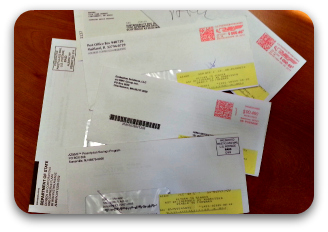
By the end of December, most offices have a quiet pile of returned envelopes sitting in a corner—one of those tasks that never feels urgent, but always feels important. Instead of viewing returned mail as clutter, December is the perfect moment to turn it into useful data. With the right approach, those envelopes can help you correct your address lists, prevent repeat errors, and start the new year with cleaner, more reliable information.
Returned Mail Tells a Story—If You Read It
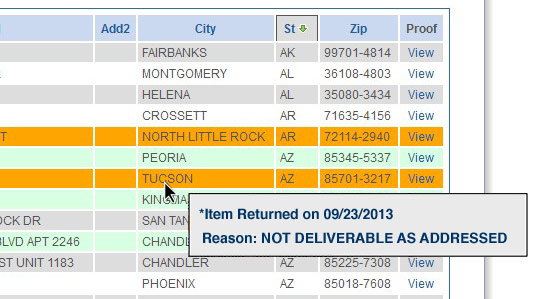
Every returned envelope includes a clue. Some pieces come back because the recipient moved; others list missing apartment numbers, outdated company names, or addresses that were never valid to begin with. The more you look at these patterns, the clearer your data issues become.
This information is especially valuable in December, when organizations reflect on their operations and prepare for a fresh start. Instead of tossing those envelopes aside, treating them like data points gives you a head start on improving next year’s mailing accuracy.
Categorize What’s Coming Back
Even without complicated systems, you can learn a lot by grouping returned pieces. For example, separating them by “moved,” “unknown,” “vacant,” or “insufficient address” helps reveal where your list needs attention. You may notice that certain regions produce more returns, or that an entire batch came from the same outdated database.
These quick insights guide more targeted cleanup, saving your team time in the long run. Once you understand the patterns, fixing them becomes far easier.
Turn December Cleanup Into a January Advantage
The end of the year naturally brings both volume and quiet moments. When mail slows down after the holiday rush, that’s the ideal time to update your records, track any repeat problem addresses, and reconcile lists across departments. This work pays off throughout the next year, reducing postage waste, avoiding delays, and keeping customer information accurate.
Clean data also boosts confidence—both for your internal teams and for the customers you communicate with regularly.
How LetterStream Helps You Reduce Returned Mail
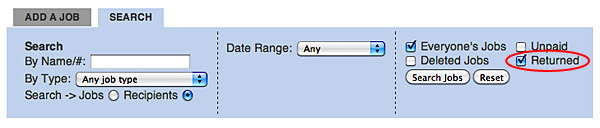
Organizations that send mail through LetterStream and use one of our Address-List Cleanup tools often catch data issues earlier because the system highlights formatting problems, incomplete addresses, and inconsistencies before envelopes are ever prepared. When everything is created and sent online, teams can spot and correct errors long before they turn into returned pieces.
A Small Effort Now Leads to Better Mailing All Year
Treating returned mail as a data source rather than a nuisance transforms how your team approaches address management. A little organization now reduces repeat errors, improves customer communication, and keeps your mailings moving quickly, accurately, and reliably in the year ahead.
To learn more about LetterStream or to sign up for a free account, click here.
LetterStream offers bulk printing and mailing services allowing companies to send physical mail online. Whether it’s online Certified Mail, First-Class Mail, FedEx 2Day, or postcards, we give both small businesses and large corporations the time and freedom back to work on tasks that better serve the company. If you’re interested in creating a free account, you can do so here.

 As part of our goal to be your very best mail room, we have added Return Mail Processing (RMP) to our already rich line of