
How to Start Q1 Strong: Why Reliable Mail Still Matters in a Digital-First World

January is when businesses like to say they’re “digital-first.”

New systems are rolling out. Dashboards are refreshed. Automation is top of mind. Everything feels faster, cleaner, and more modern — at least on screen.

And yet, in the middle of all that digital momentum, physical mail still shows up quietly, carrying some of the most important responsibilities of the quarter.

Invoices. Legal notices. Compliance documents. Required communications that can’t be skipped, delayed, or handled casually.

Starting Q1 strong isn’t just about adopting new technology. It’s about making sure the foundational processes — especially business mail — are reliable enough to support everything else you’re building.

Digital-First Doesn’t Mean Physical Mail Is Optional

There’s a common assumption that as businesses modernize, physical mail becomes less important. In reality, the opposite is often true.

As organizations rely more heavily on digital systems, the physical communications that remain tend to be the most critical. These are the documents that require proof, permanence, and accountability. They’re the ones regulators care about. The ones customers trust. The ones that still carry legal weight.

In Q1 especially, when billing cycles restart and compliance calendars reset, physical mail plays a central role. Digital tools may initiate the process, but physical delivery often completes it.

A digital-first mindset works best when it includes a dependable digital-to-physical workflow — not when it ignores physical mail entirely.

Reliability Is What Keeps Q1 From Getting Messy

The end of the year and first quarter have a way of magnifying small problems.

Mail volume increases. Deadlines stack up. Teams are balancing new initiatives while still handling daily operations. When mail is unreliable, issues surface fast — missed notices, late invoices, incomplete records.

Reliable mail prevents those early disruptions.

Reliability means documents go out when they’re supposed to. It means records exist when questions come up. It means teams don’t have to pause and investigate whether something was sent or not.

When mail runs consistently in the background, Q1 stays focused on progress instead of cleanup.

Why Trust Still Lives on Paper

For all the convenience digital communication offers, physical mail still carries a unique level of trust.

Recipients tend to take physical mail more seriously. It feels official. It feels intentional, and in many industries, it’s still the expected method for important communications.

That trust matters in Q1, when businesses are setting expectations for the year. Invoices that are sent cleanly and on time reinforce professionalism. Notices that are sent properly reduce confusion and disputes. Compliance mail that’s handled correctly protects the organization before issues arise.

Trust isn’t built through speed alone. It’s built through consistency and proof — two things reliable business mail does exceptionally well.

Certified Mail Is a Q1 Safeguard

One area where reliability matters most is Certified Mail.

Early in the year, many organizations send documents that require confirmation, tracking, and proof of delivery. Handling these pieces manually introduces unnecessary risk. Trips to the Post Office, separate tracking systems, and scattered records all increase the chance of something being missed.

Using Certified Mail online brings that process into a controlled, repeatable workflow. Tracking and documentation are automatic. Records are stored digitally. Teams don’t have to chase proof after the fact. At least that’s what you get when you use LetterStream.

In Q1, when audits and disputes are more likely to surface, that reliability acts as a safeguard rather than a scramble.

Reliability Reduces the Hidden Cost of Mail

Mail rarely looks like a problem on a budget line. The cost shows up elsewhere — in time, interruptions, and distractions.

When mail isn’t reliable, teams spend time double-checking sends, responding to questions, fixing mistakes, and recreating records. Those interruptions pull attention away from strategic work at the exact moment teams are trying to build momentum for the year.

A dependable print and mail service removes that friction. Mail becomes predictable. Questions decrease. Time spent managing issues drops significantly.

Starting Q1 with fewer distractions makes every other initiative easier to execute.

Modern Mail Fits Inside Modern Systems

Reliable mail today isn’t about going backward. It’s about integrating physical mail processes into modern workflows.

When teams send mail online, physical mail becomes an extension of their digital systems. Files move directly from software to production. Status updates are visible. Records live in one place.

This kind of integration allows businesses to stay digital-first without sacrificing the reliability that physical mail provides. It’s not a tradeoff — it’s a balance.

And that balance is especially valuable early in the year, when processes are being tested under real volume again.

A Strong Q1 Starts With What You Don’t Have to Worry About

The most successful first quarters aren’t defined by dramatic changes. They’re defined by stability.

When mail is reliable, teams don’t talk about it. They don’t chase it. They don’t fix it. It simply works — supporting communication, compliance, and customer trust without demanding attention.

That’s what allows businesses to focus on growth, planning, and execution instead of operational friction.

Starting Q1 strong means building on systems you can count on. Reliable business mail is one of them.

To learn more about LetterStream, click here.

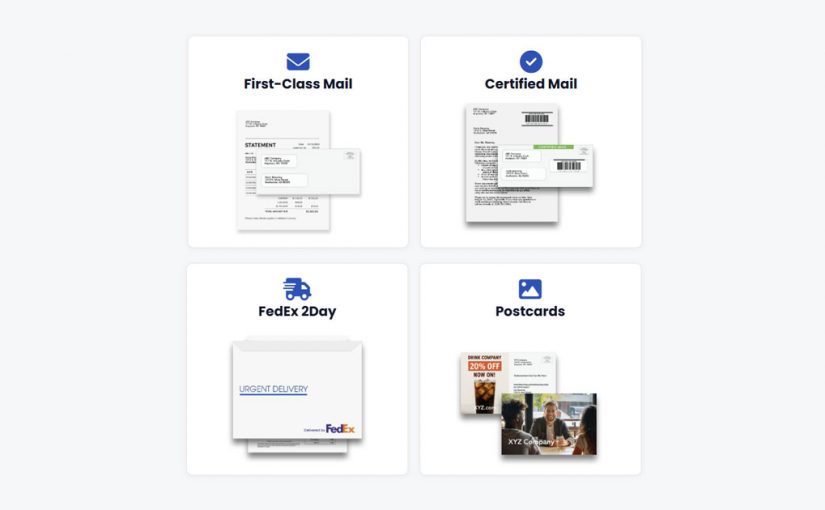
LetterStream offers bulk printing and mailing services allowing companies to send physical mail online. Whether it’s online Certified Mail, First-Class Mail, FedEx 2Day, or postcards, we give both small businesses and large corporations that time and freedom back to work on tasks that better serve the company. If you’re interested in creating a free account, you can do so, here.

LetterStream small logo

New Year, New Mailing Strategy: Why “This Is How We’ve Always Done It” No Longer Works

January has a way of exposing habits. As teams return to full speed, mail volume picks back up, deadlines reappear, and familiar workflows snap back into place. What felt manageable last year can suddenly feel inefficient, risky, or unnecessarily manual.

For many organizations, business mail hasn’t been approached strategically — it’s been handled out of habit. Processes were built years ago, adjusted on the fly, and rarely revisited unless something broke.

The new year is the right moment to rethink that approach.

A new mailing strategy isn’t about adding more tools or complexity. It’s about deciding, intentionally, how mail should support the business — with consistency, visibility, and less friction for everyone involved.

Routines Aren’t the Same as Strategy

Most companies don’t think of mail as something that needs a strategy. It simply exists as part of the workflow.

Mail gets printed when it’s ready. Someone “owns” it informally. Tracking lives in a spreadsheet or an inbox thread. And as long as nothing goes wrong, the process stays in place.

Over time, those routines create blind spots. Mail becomes inconsistent. Visibility disappears. Accountability gets fuzzy. And when volume increases or compliance enters the picture, small inefficiencies turn into real problems.

A mailing strategy starts by acknowledging that mail touches multiple departments and carries real business risk. It deserves the same level of planning as any other operational process.

Visibility Is the Foundation of a Strong Mailing Strategy

If there’s one place every modern mailing strategy should start, it’s visibility.

Teams need a clear answer to simple questions: what was sent, when it was sent, how it was sent, and who approved it. When that information lives across shared drives, emails, and spreadsheets, confidence erodes quickly.

Sending mail online through a centralized system changes that dynamic. Mail activity becomes searchable and consistent. Records don’t depend on someone remembering to log them. And leadership gains clarity without chasing updates.

Visibility isn’t about oversight — it’s about trust. When teams can see what’s happening with mail, they stop second-guessing the process.

Consistency Outperforms Speed

Speed often gets credit as the primary goal, but consistency is what keeps mail from becoming a liability.

A reliable mailing strategy ensures documents are formatted correctly every time, addresses and data remain accurate, and mail follows predictable workflows. This matters most for business-critical communications like invoices, notices, legal documents, and compliance mail.

Mistakes in these areas cost far more than a delayed send. One error can trigger rework, disputes, or regulatory risk.

Using a dependable print and mail service removes unnecessary variation. Mail follows the same path every time, reducing errors and eliminating the need for constant checks and fixes.

Certified Mail Shouldn’t Be an Exception

Certified Mail is often where weak strategies show themselves.

Instead of being part of a unified workflow, it’s treated as a special case — printed separately, taken to the Post Office, tracked manually, and filed inconsistently. Each step introduces more room for error.

Certified Mail online eliminates that fragmentation, especially when using LetterStream. Tracking, proof, and records live in the same system as the rest of your mail. Status updates are available without extra follow-ups. Documentation is there when it’s needed, not when someone remembers to look for it.

A strong mailing strategy doesn’t rely on exceptions. It creates processes that work consistently across all mail types.

The Hidden Cost of Manual Mail Is Time

Mail rarely looks expensive on the surface. The real cost shows up in the hours it quietly consumes.

Manual workflows pull time away from operations, finance, legal teams, and office staff — often in small increments that add up quickly. Printing, sorting, stuffing, correcting errors, and answering status questions all steal focus from higher-value work.

Business mail automation changes that equation. By removing repetitive tasks from daily workflows, teams regain time and momentum — especially in the first quarter, when priorities are being set for the year ahead.

January is the best moment to reclaim that time before inefficient habits settle back in.

Mail Should Scale Without Creating Complexity

As organizations grow, mail volume grows with them. Without a clear strategy, that growth leads to more people involved, more handoffs, and more opportunities for mistakes.

A centralized mailing strategy allows mail to scale smoothly. Volume increases don’t require more oversight or more manual work — just better systems that handle growth without disruption.

When mail is designed to scale, it stops feeling like a bottleneck and starts functioning like infrastructure.

The Best Time to Change Is Before Something Breaks

Most companies revisit their mail process only after a problem surfaces — a missed notice, a compliance issue, or a customer complaint.

January offers a better opportunity.

Starting the year with a thoughtful mailing strategy reduces surprises later. It brings clarity, consistency, and confidence to a process that often runs in the background but carries real importance.

You don’t need to overhaul everything at once. You just need to be intentional.

That’s how mail stops being a reactive task and becomes a reliable part of how your business operates.

To learn more about LetterStream, click here.

LetterStream offers bulk printing and mailing services allowing companies to send physical mail online. Whether it’s online Certified Mail, First-Class Mail, FedEx 2Day, or postcards, we give both small businesses and large corporations that time and freedom back to work on tasks that better serve the company. If you’re interested in creating a free account, you can do so, here.

LetterStream small logo

Happy New Year! The Business Mail Resolutions Worth Keeping This Year

The calendar has flipped, inboxes are filling back up, and teams everywhere are stepping into the new year with fresh goals and a little extra optimism. January always carries that “clean slate” energy — new plans, new budgets, new chances to do things better than last year.

But while personal resolutions tend to fade by February, your business mail doesn’t have the luxury of falling off track. Notices still need to go out. Invoices still need to land on time. Compliance deadlines don’t care that it’s a new year.

So instead of promising big changes that won’t stick, let’s talk about business mail resolutions worth keeping — the kind that quietly make the rest of the year smoother.

If your goal is to send mail online with less stress, fewer mistakes, and more confidence, these resolutions are a great place to start.

Resolution #1: Stop Being a Last-Minute Panic

Every year starts the same way. Volume ramps up fast. Teams are back online. Deadlines arrive earlier than expected. And suddenly, mail becomes a scramble again.

Stacks of paper. Rushed approvals. Someone asking, “Did this already go out?” at 4:58 PM.

This year, business mail can resolve to be calmer.

When you send mail online through a centralized system, timing stops being a guessing game. Jobs move through a clear workflow. Deadlines are visible. Mail gets out when it should — not when someone finally has time to print and stuff envelopes.

A smoother January sets the tone for the entire year. Less panic now means fewer fire drills later.

Resolution #2: Be Easier to Trust

Trust matters more than speed when it comes to business-critical mail.

In the new year, mail should resolve to:

  • Provide proof when it matters
  • Show a clear audit trail
  • Remove doubt from compliance-related sending

That’s why so many teams are moving Certified Mail online instead of relying on manual processes or Post Office runs. Tracking, confirmation, and documentation shouldn’t live in someone’s inbox or a spreadsheet.

When mail is easy to trust, teams stop double-checking everything. Confidence replaces uncertainty — and that’s a resolution worth keeping.

Resolution #3: Stop Eating Up Everyone’s Time

No one starts the year hoping to spend hours printing, sorting, stuffing, or fixing small mailing errors.

And yet, manual mail workflows quietly steal time from:

  • Operations teams
  • Finance departments
  • Legal staff
  • Office managers

This year, business mail can resolve to stay in its lane.

A modern print and mail service handles the repetitive work automatically — formatting, printing, inserting, and sending — so your team can focus on higher-value tasks. January is the perfect time to remove busywork before it becomes routine again.

The less time mail takes, the more momentum teams keep as the year unfolds.

Resolution #4: Work Better With Digital Tools

Being “digital-first” doesn’t mean physical mail disappears. It means mail works with your digital systems instead of against them.

The best workflows today are digital-to-physical:

  • Files are uploaded online
  • Data flows cleanly from existing systems
  • Physical mail is triggered automatically

Instead of jumping between tools, teams manage everything in one place. This resolution isn’t about abandoning mail — it’s about modernizing how it fits into daily operations.

When business mail integrates smoothly, it stops feeling like a separate chore and starts feeling like part of a smart process.

Resolution #5: Stay Boring (In the Best Way)

Here’s the truth no one puts on a vision board: successful business mail is boring.

It shows up.
It follows the rules.
It doesn’t create surprises.

And that’s exactly what you want.

In the new year, mail doesn’t need to impress anyone. It just needs to be reliable. When notices go out correctly, invoices arrive on time, and compliance mail is handled consistently, teams barely notice — and that’s a win.

Boring mail means fewer escalations, fewer mistakes, and fewer headaches. It’s the kind of resolution that quietly pays off all year long.

If Your Mail Could Talk…

Just for fun, here’s what business mail might promise this year if it could actually talk:

  • “I won’t wait until the last minute anymore.”
  • “I’ll stop living in spreadsheets.”
  • “I’ll show proof when you need it.”
  • “I’ll take less time and cause fewer problems.”

Not bad goals, honestly.

A Fresh Start That Actually Sticks

The start of the year doesn’t require a massive overhaul. Often, it’s the small operational improvements made early that carry teams through the busiest months ahead.

If your goal this year is to send mail online with fewer mistakes, clearer tracking, and less stress, now is the perfect time to set those resolutions in motion.

Here’s to a calmer January, smoother workflows, and business mail that actually keeps its promises.

To learn more about LetterStream, click here.

LetterStream offers bulk printing and mailing services allowing companies to send physical mail online. Whether it’s online Certified Mail, First-Class Mail, FedEx 2Day, or postcards, we give both small businesses and large corporations the time and freedom back to work on tasks that better serve the company. If you’re interested in creating a free account you can do so, here.

LetterStream small logo

How to Easily Keep Mail Moving When the Office Is Empty

December is one of the most joyful months of the year—and one of the most unpredictable for office schedules. With employees taking well-earned PTO, hybrid work in full swing, and year-end tasks piling up, many teams discover their mail workflows slowing down just when communication matters most. The good news is that with a little planning and a flexible process, your business mail can stay on schedule even when half the team is unplugged for the holidays.

When PTO Creates Unexpected Bottlenecks

Many organizations rely on workflows that work well in September but crack in December. Maybe only one person manages approvals. Maybe one employee knows how to run the office printer. Maybe key sign-offs live on a desk instead of a shared system. When that person is out on PTO, everything waits—sometimes for days.

December exposes these weak points faster than any other month. Teams work from different cities, offices close early, and responsibilities shift temporarily. Mail still needs to go out… it just doesn’t always have someone available to move it forward.

Why December Mail Matters More Than It Seems

Even routine mail carries more weight during the holidays. HOAs are sending reminders, nonprofits are sending acknowledgments, businesses are issuing statements, and many organizations are preparing documents needed for early January. Delays in December often spill into the new year, creating a backlog no team wants to start with.

Customers and members also expect clarity during a season already filled with noise, travel, and weather disruptions. Keeping your mail moving isn’t just operational—it builds trust.

Creating a PTO-Proof Mail Workflow

A resilient December workflow doesn’t depend on one person being at their desk. It relies on processes that can move forward from anywhere. A few adjustments make a big difference:

  • Store templates in a shared, easy-to-access location
  • Standardize approval steps so coverage is clear during vacations
  • Use formats that don’t require specialized equipment
  • Communicate deadlines early so teams can avoid last-minute scrambles

The more your system supports collaboration between remote and in-office team members, the fewer slowdowns you’ll see.

How LetterStream Helps Keep Mail Moving During PTO

Many teams turn to LetterStream in December (and throughout the year, really) because it eliminates the “someone has to be in the office” problem entirely. When your mail can be prepared, reviewed, and sent online, your workflow continues even when key people are out.

Approvals happen digitally. Documents move smoothly from one step to the next. No one needs access to a printer, envelopes, postage, or special equipment. And because LetterStream handles printing and sending on your behalf, every mailing stays fast, accurate, and reliable—even if your office is half empty for the holidays.

For teams navigating rotating schedules, weather closures, and end-of-year responsibilities, this flexibility becomes essential.

Keeping Communication Steady All December Long

A little preparation ensures your mail doesn’t slow down just because your staff is taking a much-needed break. When workflows are clear and supported by the right tools, December becomes far more manageable—and your communication remains uninterrupted, consistent, and dependable.

To learn more about LetterStream or to sign up for a free account, click here.

LetterStream offers bulk printing and mailing services allowing companies to send physical mail online. Whether it’s online Certified Mail, First-Class Mail, FedEx 2Day, or postcards, we give both small businesses and large corporations that time and freedom back to work on tasks that better serve the company. If you’re interested in creating a free account, you can do so here.

LetterStream small logo

Thankful for the People Behind Every Piece of Mail

Thanksgiving has a way of slowing us down. Even in a world built on speed, automation, and digital-to-physical communication, this day invites us to pause and appreciate the people behind the work — the people who trust us, rely on us, and show up for us.

For a company like LetterStream, where thousands of organizations depend on us to send critical mail online safely and accurately, Thanksgiving means more than a holiday. It’s a reminder of why we do what we do: to serve people — real people — with care, consistency, and gratitude.

So today, instead of talking about technology or systems or production workflows, we want to talk about you — our customers, our partners, and our team.

To Our Customers: You’re the Heart of What We Do

Whether you’ve used LetterStream for years or you just discovered our print and mail service this quarter, we are grateful for the trust you’ve placed in us.

Many of you handle high-stakes communication — legal notices, HOA statements, healthcare letters, financial updates, compliance mail, and everything in between. These aren’t just “mailings.” They’re commitments. They represent promises between you and your residents, your clients, your communities, and your stakeholders.

And each time you choose LetterStream to send mail online on your behalf, you’re trusting us with those commitments. We don’t take that lightly.

This year, we’ve seen businesses across dozens of industries adapt, scale, and find new ways to operate. You’ve navigated changes in cost structures, regulations, delivery expectations, technology, and customer needs — all while staying focused on serving others. We’re thankful to be part of that mission and honored to support it.

Whether you mailed 50 pieces or 50,000 pieces this year, you’ve helped us grow, improve, and innovate. And we’re thankful for the conversations, feedback, and stories you’ve shared about how our platform helps your business run smoother.

You make our work meaningful.

To the Teams Behind the Mailrooms, Desktops, and Dashboards

LetterStream works with incredible professionals — managers, operations leads, paralegals, billing teams, administrators, customer support staff, compliance officers, coordinators, and entire departments who keep communication moving.

You are the ones who:

  • Upload files at 10 p.m. because a deadline can’t wait
  • Choose Certified Mail online for accountability
  • Track delivery statuses for important recipients
  • Update addresses
  • Plan mail drops
  • Keep things running when systems change, when markets shift, or when volumes spike

You’re the unseen heroes in many organizations. The ones who protect timelines, ensure accuracy, and make sure the right information lands in the right hands.

We see the work you do, and today, we’re especially thankful for it.

To Our LetterStream Team: None of This Happens Without You

Technology matters. Systems matter. Automation matters. But people are what make LetterStream, LetterStream.

To our production crew — thank you for handling the physical side of business-critical communication with incredible precision. Every envelope sealed, every tray sorted, every shift covered… those seemingly small actions are what make our operation dependable.

To our customer support and account teams — thank you for being thoughtful, patient, and helpful. We hear from customers all the time about how much they appreciate working with real humans who genuinely care.

To our developers and technology teams — thank you for building dependable tools that allow customers to send mail online with confidence. The dashboards, visibility, and automation you create make life easier for thousands of people every day.

To our leadership, operations, marketing, and everyone who makes this place work — thank you for championing accuracy, consistency, and service. LetterStream exists because you do.

This Year, We Are Especially Grateful for…

Reliability.
Every time a customer uploads a file, selects a mail class, and trusts us to handle it — that’s a privilege. Thank you for giving us the opportunity to serve.

Resilience.
So many of our customers are navigating rising costs, shifting expectations, and changing communication habits. Yet you stay committed to accuracy and professionalism, and we’re honored to support you.

Relationships.
The emails, feedback, and shared ideas — they help us get better. We appreciate every conversation.

Impact.
Whether it’s a compliance notice, a billing statement, a legal communication, a postcard, or a simple reminder, your mailpieces matter more than you know. They help communities function, help organizations stay in rhythm, and help people stay informed.

Thank you for allowing us to play a part in that impact.

A Thanksgiving Message as We Head Toward 2026

As business mail evolves — with shifting costs, hybrid communication, and automation shaping the future — our commitment stays the same: to be the most reliable, secure, and user-friendly print and mail service available.

But more importantly, we remain committed to the people behind the mail.
The people who trust us.
The people who work alongside us.
The people who keep businesses and communities connected.

On this Thanksgiving Day, we want you to know one thing:

We are grateful for you — today and every day.

Enjoy this time with family, friends, and the people who make your world brighter. We’ll be here when you need us again — ready to help you send business-critical mail with confidence, accuracy, and ease.

LetterStream offers bulk printing and mailing services allowing companies to send physical mail online. Whether it’s online Certified Mail, First-Class Mail, FedEx 2Day, or postcards, we give both small businesses and large corporations that time and freedom back to work on tasks that better serve the company. If you’re interested in creating a free account, you can do so, here.

LetterStream small logo

Easily Protect Your Business and Recipients From Mail Fraud and Scams

Mail has always been one of the most trusted ways to communicate — tangible, trackable, and personal. But in today’s environment, where digital and physical threats overlap, even the mail stream isn’t immune to fraud.

Businesses that rely on physical mail for invoices, statements, legal notices, or compliance documents must stay alert to the risks of mail fraud and scams. And with technology making it easier than ever to mimic official correspondence, protecting your business and your recipients requires a mix of vigilance, education, and smart mail management.

For organizations using a print and mail service like LetterStream, it’s not just about sending mail efficiently; it’s about ensuring that what’s sent is genuine, secure, and trusted.

Understanding Mail Fraud in Today’s Environment

Mail fraud has evolved beyond fake sweepstakes and counterfeit checks. Today, scammers use both digital and physical tactics to exploit trust in legitimate mail.

They may send letters that mimic a real company’s logo or wording, asking recipients to verify personal information. Others include QR codes or URLs that lead to phishing sites. In some cases, businesses themselves become victims — when fraudsters use their name, address, or branding to send deceptive mail that damages reputation and erodes customer trust.

For recipients, these scams often look convincing. For senders, even one fraudulent letter can create confusion, lost business, or compliance risk. That’s why organizations handling business-critical mail must implement safeguards at every stage, from data preparation to final delivery.

Common Types of Mail Fraud Targeting Businesses

Mail fraud can take many forms, but a few patterns appear most frequently:

Impersonation and brand misuse: Fraudsters imitate your company or a government agency using stolen logos, names, or templates to trick recipients into sending money or personal data.

Phishing-by-mail (also known as “smishing hybrids”): Scammers send physical letters with QR codes or web links that direct users to fake login pages.

Invoice and payment scams: Some criminals send convincing “replacement invoices” to redirect legitimate payments to fraudulent accounts.

Check theft and mail interception: Criminals target unlocked mailboxes or outgoing business mail to steal checks, documents, or credentials.

Each of these tactics relies on one thing: trust in the mail itself. Protecting that trust means combining secure mailing practices with recipient awareness.

How to Protect Your Business and Recipients

The best defense against mail fraud starts long before a letter leaves your office. Here are practical strategies to strengthen your mailing process and reduce exposure:

1. Secure Your Mailing Workflow

Limit access to sensitive data and production files. If you print in-house, control who can generate or approve official correspondence. If you outsource, choose a print and mail service with established data security protocols, encrypted uploads, and full tracking — like LetterStream’s secure platform.

2. Use Trackable and Verifiable Mail Classes

For critical or high-value communications, consider Certified Mail online or other traceable options. These services provide proof of mailing and delivery, making it harder for fraudulent mail to impersonate official correspondence.

3. Educate Recipients

Add small but effective fraud prevention elements to your mailpieces. For example, include a consistent return address, branded design, and clear contact information so recipients can verify authenticity. Educate your customers or members on what your legitimate mail looks like — and what it never includes (like requests for personal data or payments via third-party links).

4. Monitor for Unauthorized Use of Your Brand

Regularly check for fake mailings or lookalike campaigns using your organization’s name. Partner with your postal or compliance teams to report potential mail fraud to the USPS Inspection Service or the FTC.

5. Keep Your Data Clean and Your Process Documented

Fraudsters often exploit outdated mailing lists or unsecured workflows. By maintaining accurate recipient data and documenting your print-and-mail process, you reduce the chances of misdirected mail or data leaks that could be abused.

How LetterStream Supports Secure, Trusted Mail

At LetterStream, security and integrity are built into every mailing process. Our platform allows businesses to upload PDF documents securely, select mail classes, and track delivery with Certified Mail and FedEx 2Day from production to receipt. Each file is processed within a controlled, encrypted environment — minimizing handling, reducing the risk of interception, and ensuring confidentiality for both sender and recipient.

We also help organizations maintain consistency and professionalism in their printed materials — a key factor in building trust and deterring fraud. Whether you’re sending Certified Mail, First-Class Mail, or large-scale campaigns, your recipients will recognize your mail as legitimate, accurate, and on-brand.

Keep Your Mail Protected

Mail fraud may be evolving, but the solution is still rooted in diligence, design, and trusted delivery.

By tightening your processes, using secure services, and partnering with a reliable print and mail provider, you can protect both your organization and your recipients from scams.

Because in the end, trust is what keeps business mail powerful — and it’s worth protecting.

To learn more about LetterStream, click here.

LetterStream offers bulk printing and mailing services allowing companies to send physical mail online. Whether it’s online Certified Mail, First-Class Mail, FedEx 2Day, or postcards, we give both small businesses and large corporations that time and freedom back to work on tasks that better serve the company. If you’re interested in creating a free account, you can do so here.

LetterStream small logo

Artificial Intelligence in the Mail Industry

Artificial intelligence is transforming nearly every industry, and yes, that includes mail.

From faster sorting to smarter targeting, AI is helping organizations modernize one of the oldest and most trusted communication systems in the world. For businesses using a print and mail service like LetterStream, this evolution brings new ways to save time, cut costs, and improve accuracy — all while preserving the personal touch that makes mail so powerful.

The Quiet AI Revolution in Mail

The digital revolution didn’t make mail irrelevant — it made it smarter.

Today, AI is built into nearly every step of the mail journey. Sorting systems can now “see” and interpret addresses with the help of machine learning, automatically correcting errors that used to slow things down. Predictive tools forecast delivery timelines, helping postal operations plan routes, balance workloads, and adapt to spikes in demand.

In the business world, AI personalizes direct mail just as it does digital campaigns. Instead of sending identical letters to everyone on a list, companies can analyze patterns, segment audiences, and create versions that speak directly to each recipient. The result is higher engagement and greater efficiency — powered by technology but driven by strategy.

Even print production is getting an upgrade. AI now helps schedule jobs, spot formatting errors before printing, and coordinate multi-location production. For a company sending thousands of letters through LetterStream, that means fewer errors, faster output, and more consistent results across every batch.

Smarter Mail, Not Less Mail

AI’s greatest impact on mail isn’t about replacing people — it’s about enhancing the way they work.

Across the mailing industry, artificial intelligence is streamlining the workflows that used to take hours of manual coordination. Sorting systems are learning to read handwriting and damaged barcodes. Predictive models help postal networks prepare for surges and adjust delivery routes based on real-time conditions.

For businesses, AI is transforming the larger ecosystem that supports mail — from faster delivery predictions to smarter logistics and data insights. These improvements ripple through the supply chain, creating more reliable delivery windows and helping organizations plan communications with confidence.

And while AI powers much of this progress, it’s not working in isolation. The most successful mailing strategies combine intelligent tools with human expertise — teams that understand timing, message, and audience. That’s where services like LetterStream come in: pairing automation with people who know mail inside and out.

What AI Still Can’t Replace

For all its intelligence, AI can’t replicate what makes real mail matter.

A printed letter or Certified envelope carries more than ink and paper — it carries proof, presence, and intent. When a company sends something through the mail, it’s not just transmitting information; it’s delivering accountability. That physical piece becomes evidence of communication — something that can be received, signed for, archived, and trusted.

AI can help with scheduling, tracking, and reporting, but it can’t replace the assurance that comes with a stamped and sealed document in someone’s hands. It doesn’t feel the weight of compliance deadlines or the responsibility tied to a financial disclosure, a medical notice, or a legal notification.

Real mail still plays a unique role in business because it leaves a paper trail — literally. It builds trust where email can’t, confirms delivery where digital can fail, and demonstrates diligence where automation stops.

At LetterStream, we believe AI can make mailing faster and smarter — but the credibility, authenticity, and permanence of real mail will always be human at its core.

Finding the Right Balance with LetterStream

At LetterStream, we’ve built automation into every stage of our print and mail service so our clients can spend less time on logistics and more time on strategy.

But while technology runs in the background, people stay in control. Your team decides what to send, when to send it, and how to tailor it for maximum impact. Our team is behind the scenes, making sure everything runs smoothly. That’s the balance that defines the future of mail — efficiency through automation, guided by human insight.

AI and Mail

Artificial intelligence is changing how mail is made, moved, and measured. It’s improving accuracy, speed, and scalability — but it can’t replace authenticity, creativity, or human judgment.

By pairing LetterStream’s automated print and mail platform with your team’s expertise, you get the best of both worlds: technology that makes mail faster and more reliable, and people who make it meaningful.

To learn more about LetterStream, click here.

LetterStream offers bulk printing and mailing services allowing companies to send physical mail online. Whether it’s online Certified Mail, First-Class Mail, FedEx 2Day, or postcards, we give both small businesses and large corporations that time and freedom back to work on tasks that better serve the company. If you’re interested in creating a free account, you can do so here.
LetterStream small logo

The History of the Post Office

In a world where mail can be sent with a click, it’s easy to forget that the story of the United States Postal Service began nearly 400 years ago — inside a Boston tavern.

Before there were mail trucks, sorting centers, or tracking dashboards, there was a tavern in Boston — and a man named Richard Fairbanks. In 1639, Fairbanks’ Tavern became the first official drop-off and collection point for mail in the American colonies. For a small fee, he would receive letters from ships and forward them to their destinations.

That simple act of connection, moving messages between people and places, laid the foundation for what would become one of the most important networks in the world: the United States Postal Service (USPS). And today, companies like LetterStream continue that legacy in a modern way, using digital tools and print and mail automation to connect businesses and customers across the country.

The Colonial Roots of America’s Postal System

By 1672, an organized mail route existed between New York City and Boston. But communication across the colonies was slow and unreliable until 1775, when the Second Continental Congress created an official postal system and appointed Benjamin Franklin as the first Postmaster General.

Franklin’s innovations — standardized routes, regular schedules, and fair pricing — made mail a national priority. When the U.S. Constitution was adopted in 1787, Article I, Section 8, Clause 7 gave Congress the authority “to establish Post Offices and post Roads.” That single clause transformed communication into an infrastructure priority for a young nation.

The early postal network became the circulatory system of America, connecting cities, frontier towns, and government offices through handwritten letters carried by horseback and stagecoach.

Nation-Building: The Postal Service Act of 1792

In 1792, Congress passed the Postal Service Act, officially creating the U.S. Post Office Department. At the time, there were only 76 Post Offices and roughly 2,400 miles of post roads. Within two decades, that number exploded — more than 50,000 miles of routes carried letters to every corner of the growing country.

The early mission was simple: make mail accessible and affordable to everyone. That promise of universal service still defines the postal system — and it’s the same principle guiding modern printing and mailing partners like LetterStream, which helps organizations reach recipients anywhere through a fully online process.

The 1800s: Innovation, Expansion, and Reform

As the United States grew, so did its appetite for communication. In 1845, Congress reduced postage rates, making mail cheaper for ordinary citizens. Within a few years, letter volume doubled.

In remote areas, “Star Routes” — private contractors hired by the Post Office Department — carried mail to towns that government routes couldn’t reach. While the system faced corruption scandals in the 1870s, it also paved the way for nationwide access and efficiency reforms.

Then in 1872, the Post Office Department became a cabinet-level agency. It wasn’t just a service — it was a pillar of American infrastructure, helping to unify a rapidly industrializing nation.

The 20th Century: Airplanes, ZIP Codes, and Modernization

The 1900s brought extraordinary change. Rural Free Delivery (RFD) gave isolated communities daily access to mail. In 1925, the Air Mail Act opened the skies to private companies, laying the groundwork for the commercial aviation industry.

World War II introduced “V-Mail” — microfilmed letters that could be transported quickly and reprinted overseas — a precursor to today’s digital document transmission. By 1963, the invention of ZIP Codes modernized delivery, speeding up sorting and routing nationwide.

Each leap reflected a pattern: when technology changed, the postal system evolved with it. The same principle drives today’s innovations in mail automation, where companies like LetterStream integrate online ordering, real-time tracking, and cloud-based production to make business mail smarter and faster.

The Postal Reorganization Act and the Birth of USPS

By the late 1960s, the old Post Office Department was under pressure. Worker strikes and budget shortfalls demanded reform. The Postal Reorganization Act of 1970 transformed the system into the United States Postal Service — an independent agency designed to run with both business discipline and public service values.

When the USPS began operations in 1971, it set a model for reliability, accountability, and nationwide coverage that continues to shape how mail moves today. Modern send mail online platforms like LetterStream extend that same reliability into the digital age, merging the convenience of automation with the trust of physical delivery.

The Mailroom Revolution: From Post Roads to Print-and-Mail Online

The postal network that began with Franklin’s routes has now evolved into digital ecosystems. In 2025, businesses send and track letters not from behind mailroom counters but from online dashboards.

Mail automation platforms can print, insert, seal, and deliver letters with a few clicks — no stamps, no queues, no manual sorting.

Through LetterStream’s print and mail service, companies can upload files, choose mail classes such as Certified Mail online or First-Class Mail, and click send, without doing anything else.

It’s the same mission that began nearly 250 years ago — connecting people reliably — now powered by digital intelligence.

Looking Ahead: Legacy Meets Innovation

The story of America’s postal system isn’t just about history; it’s about evolution. From tavern counters to mail trucks to automated dashboards, the same commitment runs through it all: ensuring information moves securely, efficiently, and accessibly.

LetterStream continues that legacy by combining the reliability of USPS infrastructure with the precision of modern technology. When you print and mail online through LetterStream, you’re not just sending a letter — you’re taking part in a centuries-old promise of connection and trust.

To learn more about LetterStream, click here.

References

  1. Smithsonian National Postal MuseumThe Colonial Posts
    https://postalmuseum.si.edu
  2. Encyclopedia BritannicaPostal System of the United States
    https://www.britannica.com/topic/postal-system/United-States
  3. U.S. Postal Service (USPS)Postal History and Historical Facts
    https://about.usps.com/who-we-are/postal-history/welcome.htm
  4. National Archives FoundationThe U.S. Constitution: Postal Clause (Article I, Section 8, Clause 7)
    https://www.archives.gov
  5. National Archives Blog – The Unwritten RecordThe Postal Service Act of 1792 and Early American Communication
    https://unwritten-record.blogs.archives.gov
  6. U.S. Postal ServiceA Short History of the United States Postal Service
    https://about.usps.com/publications/pub100.pdf

LetterStream offers bulk printing and mailing services allowing companies to send physical mail online. Whether it’s online Certified Mail, First-Class Mail, FedEx 2Day, or postcards, we give both small businesses and large corporations that time and freedom back to work on tasks that better serve the company. If you’re interested in creating a free account, you can do so here.

LetterStream small logo

How Mailing Automation Easily Saves You Time and Money

At LetterStream, innovation has always meant one thing: finding smarter ways for businesses to send mail online with less stress and more confidence.

When LetterStream started back in 2003 (Wow! How has it been that long already?!), “innovation” in mailing meant buying a faster printer or finding a cheaper way to stuff envelopes. Those improvements helped a little—but they didn’t solve the real problem: businesses were wasting too much time managing critical mail.

That’s been our focus for 22 years. Not building flashy tech for the sake of it, but making practical changes that save customers time, reduce stress, and give them confidence that their mail is handled correctly.

Automation That Frees People Up

The word “automation” gets thrown around a lot these days. For us, it simply means taking repetitive, low-value tasks off your team’s plate. This looks like:

  • Uploading your documents online and never touching an envelope again
  • No more Post Office trips for Certified Mail or any mail
  • No more spreadsheets of tracking numbers.
  • No more manual filing of green cards
  • Hitting send, and your mail “magically” gets sent out for you

Basically, it means you upload your documents, and the rest is handled for you. No more printing, stuffing envelopes, manually applying addresses and postage stamps, and then making that dreaded trip to the Post Office.

Innovation isn’t about robots replacing people. It’s about giving skilled staff their time back. I’d rather see a paralegal focusing on casework than standing in line at the Post Office.

Smarter Tools, Not Flashy Tech

We’ve never chased trends. Our goal has always been: what do customers need to make mailing easier this week?

That’s why we’ve built tools like:

  • An easy platform that lets you upload and mail a job in 2 minutes or less
  • An address validation service that prevents costly errors before letters go out
  • Tracking dashboards so you know exactly where your Certified Mail is—without digging through piles of slips
  • Digital proof of delivery so you never lose another green card
  • Ability to pause a job or cancel a job if needed

These aren’t futuristic gadgets. They’re everyday tools that quietly make life simpler for HOAs, law firms, healthcare administrators, and countless other professionals.

The Human Side of Innovation

The biggest impact of innovation at LetterStream isn’t in the software or the machines—it’s in the people who get their time back.

I’ve seen law firms where paralegals no longer spend Fridays filing green cards. HOAs that stopped stressing about compliance deadlines because Certified Mail tracking is automatic. Healthcare teams that reallocated staff hours from stuffing envelopes to serving patients.

That’s the kind of innovation we believe in—the kind that makes real people’s workdays better.

Innovation Without the Hype

At LetterStream, innovation doesn’t mean chasing the latest buzzword. It means quietly finding ways to make mailing simpler, faster, and less stressful for the businesses that depend on it.

From automation that saves staff hours, to smarter tools that prevent errors, to greener processes that happen naturally when you work online—every improvement is built with one mission in mind: making your life easier.


LetterStream makes printing and mailing a breeze. To learn more, click here.

LetterStream offers bulk printing and mailing services allowing companies to send physical mail online. Whether it’s online Certified Mail, First-Class Mail, FedEx 2Day, or postcards, we give both small businesses and large corporations that time and freedom back to work on tasks that better serve the company. If you’re interested in creating a free account, you can do so, here.

LetterStream small logo

Easy Tasks That Take More Time Than Creating a Job on LetterStream

Let’s talk about tasks that take more time than creating a job on LetterStream, because if you didn’t already know, it only takes two minutes or less to send business-critical mail through LetterStream (after you’ve sent a job or two and learned the process).

What Can You Do in 2 Minutes?

You can microwave a burrito.
You can scroll through three LinkedIn posts.
You can watch your email load (again).

Or—you can send a complete, trackable, business-critical mailing job with LetterStream.

Seriously. Two minutes or less.

And once you realize how fast it is to send real mail online, everything else starts to feel… slow.

Let’s put it in perspective.

Here’s What Takes More Than 2 Minutes (Spoiler: Most Things)

Let’s start by talking about some tasks that take more than two minutes. We’re not trying to rush your life—but it’s eye-opening how many small things eat up your day while your mail could be handled in the background.

  1. Making and drinking a cup of coffee or tea
  2. Taking a shower
  3. Preparing a quick breakfast (e.g., eggs, toast, smoothie)
  4. Brushing teeth and flossing
  5. Checking and responding to a few emails
  6. Folding a small load of laundry
  7. Tidying up a room (clearing dishes, fluffing pillows, quick vacuum)
  8. Doing a short meditation or breathing exercise
  9. Watering indoor or outdoor plants
  10. Loading or unloading the dishwasher

Now, let’s go over some of your work tasks when it comes to sending business-critical mail:

Filing one piece of paper in a filing cabinet:
3 minutes (if you can find the right drawer)

Walking to the office printer and printing a job:
2–4 minutes (depending on if it jammed again)

Refilling the paper tray:
2–5 minutes (with a small paper cut bonus)

Waiting in line at the post office:
Minimum 15–20 minutes (on a good day)

Searching for that one return receipt you lost:
Good luck. That’s all we have to say on that one.

Sending a job through LetterStream?
Under 2 minutes, start to finish. From uploading the PDF to clicking “Submit Job,” you’re in and out.

Why Does This Matter? Because Time Is Expensive.

Let’s say your team sends 100 Certified letters a month.

If you’re spending 5 minutes per letter between printing, stuffing, form filling, and tracking… that’s 8+ hours of work. A whole workday—gone.

Even if you only save a couple of minutes per task, those savings stack up fast.

With LetterStream, you just upload your files, choose your settings (First-Class, Certified Mail, FedEx 2Day—your call), and we handle the rest.

You get the mail out fast—without sacrificing accuracy, tracking, or visibility.

Real Mail, Sent Smarter

This isn’t a marketing gimmick. Most customers are blown away by how fast it is to send mail once they create a free LetterStream account and get familiar with the process by sending a job or two.

  • You log in.
  • Upload your document.
  • Pick your options.
  • Hit send.
  • Done.

It really is that simple, and if it takes longer than 2 minutes, you probably stopped to grab coffee halfway through.

What About Accuracy? You Can Have Both.

Fast doesn’t mean sloppy. In fact, most errors in manual mail processes happen because people are trying to go too fast—rushing to get envelopes out the door.

LetterStream flips that. You move quickly because the system is designed for speed and accuracy.

“The Stream” ensures every job is barcoded, validated, and trackable—from upload to delivery.

Teams Who’ve Traded Chaos for Two-Minute Jobs

We see it every day:

  • HOA managers who send annual meeting notices without sorting resident lists
  • Law firms mailing Certified Mail for court deadlines—without stepping into a post office
  • Finance departments automating late notices weekly, all before lunch
  • Healthcare admins sending HIPAA letters and compliance mail with zero manual prep

Once they realize they don’t have to spend hours on mail… they never go back.

If You Have 2 Minutes, You Have Time to Send Mail

Seriously—next time you go to:

  • Reheat your coffee
  • Respond to a Slack message
  • Wait for your inbox to refresh
  • Load one spreadsheet
  • Unjam the copier (again)

…ask yourself: could I be using this moment to knock out a full mailing job instead?

Because with LetterStream, you probably could. Create a free LetterStream account here to send mail online in under 2 minutes or less!

LetterStream offers bulk printing and mailing services allowing companies to send physical mail online. Whether it’s online Certified Mail, First-Class Mail, FedEx 2Day, or postcards, we give both small businesses and large corporations that time and freedom back to work on tasks that better serve the company. If you’re interested in creating a free account, you can do so, here.


LetterStream small logo